How to Build a Capsule Wardrobe: A Step-by-Step Guide to Wearing More with Less
A capsule wardrobe is a small collection of versatile pieces that work well together. Follow this practical guide to audit what you own, choose a palette and build outfits with fewer clothes.
What a capsule wardrobe is, and what it is not
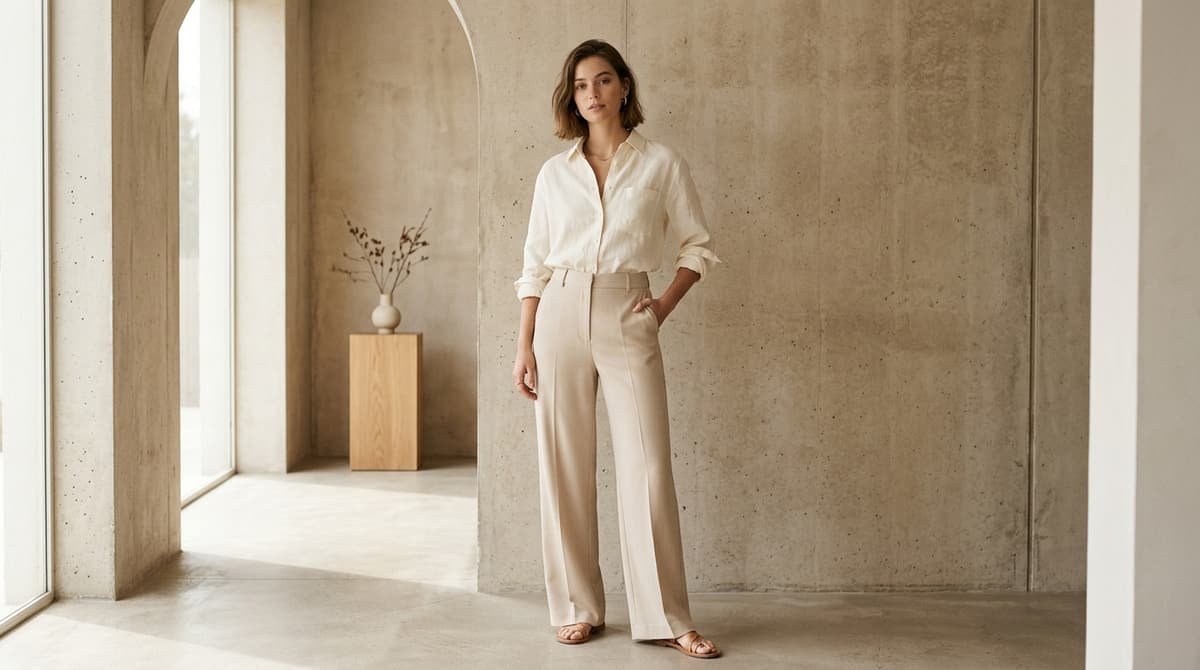
A capsule wardrobe is a small, carefully chosen set of clothes that all work together. The idea is that you own fewer items, but you wear them more often and in more combinations. It is not about owning a specific number of pieces or following a strict uniform. It is about clarity, quality and fit, so that getting dressed takes less time and your clothes get used.
Many people find a capsule approach helpful when their closet is full but they still feel they have nothing to wear. That usually means there are many items that do not match, do not fit well or do not suit the life you live now.
Step 1: Audit what you already own
Take everything out and sort it into four groups: wear often, wear sometimes, do not wear, and needs repair or alteration. Be honest about why items fall into the unworn pile. Common reasons are poor fit, uncomfortable fabric, a color that does not suit you, or clothes meant for a lifestyle you no longer have. Make a note of patterns, because those tell you what to avoid buying in the future.
Donate, sell or recycle items you will not wear, and repair the rest. Store out-of-season pieces separately so your daily choices are simple.
Step 2: Define your lifestyle and needs
Think about how you spend a typical week. If you work in an office four days a week, spend weekends outdoors and have an occasional formal event, your wardrobe should reflect those proportions. Many people buy for the life they imagine instead of the life they have. A pie chart of your week can help you choose the right amount of work, casual, exercise and formal clothing.
Step 3: Choose a color palette
A limited palette is what makes a capsule work. Choose two or three neutrals as the base, such as black, navy, grey, beige, white or olive, then add one or two accent colors you love. When everything shares a palette, nearly every top works with nearly every bottom, which multiplies the number of outfits you can make.
Look at the colors you wear most and receive compliments on, and consider your skin tone and hair. Avoid choosing colors only because they are trending.
Step 4: Pick the core pieces
The exact list depends on your life, but a typical capsule includes a mix of the following categories. Adjust the numbers to match your needs.
- •Tops: 5 to 8 (plain tees, a few shirts or blouses, a knit).
- •Bottoms: 3 to 5 (jeans, tailored trousers or a skirt, casual trousers or shorts).
- •Layers: 2 to 4 (a jacket, a cardigan or sweater, a hoodie).
- •Dresses or one-piece outfits: 0 to 3, depending on preference.
- •Shoes: 3 to 4 (white sneakers, comfortable walking shoes, a smarter pair or boots).
- •Accessories: a bag, a belt, a scarf or hat, and simple jewelry or a watch.
Step 5: Prioritize fabric, fit and construction
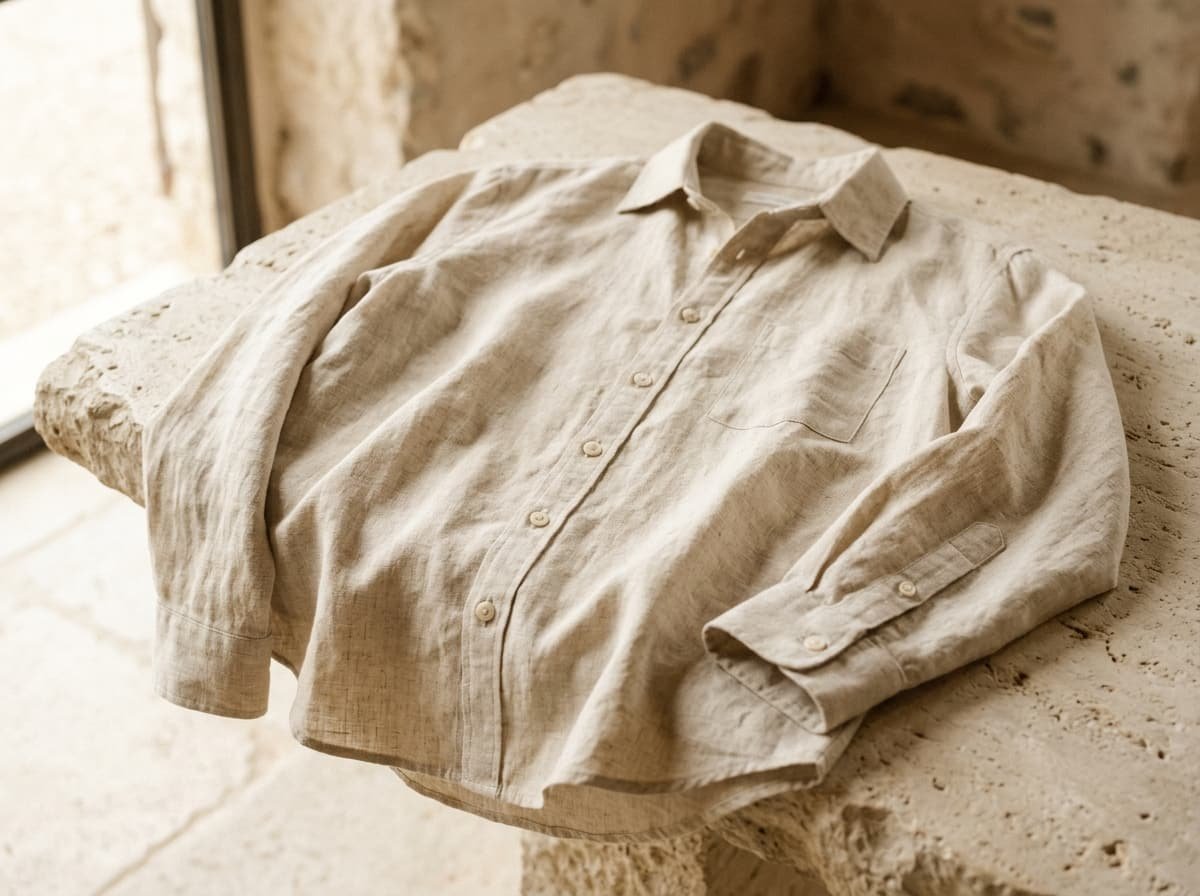
Because you will wear each item often, it makes sense to invest in better quality where it counts. Check fabric composition, look for even stitching and secure seams, and choose natural fibers or good blends that match your climate. Fit matters even more than price: a modest garment that fits well looks better than an expensive one that does not. Use a tailor for small alterations like hems and sleeve lengths.
Our guides on t-shirt fabrics, women’s fabrics and jeans fit can help you evaluate what to buy.
Step 6: Work out cost per wear
Divide the price of a garment by the number of times you realistically expect to wear it. A $120 pair of boots worn 150 times costs $0.80 per wear, while a $30 top worn twice costs $15 per wear. Cost per wear is a helpful reminder that cheap is not always economical, and that expensive is not automatically worthwhile. Only buy an item if you can name at least three outfits you would wear it in.
Step 7: Maintain and refine
A capsule wardrobe is not a one-time project. Review it each season, remove what you do not wear and fill gaps slowly. Care for your clothes with proper washing, steaming and storage so that each piece lasts. Keep a running list of what is missing, and only buy items that fill a real gap.
Common mistakes to avoid
Many capsule attempts fail for the same few reasons.
- •Throwing out everything and buying all-new items at once.
- •Choosing a palette you do not actually like wearing.
- •Ignoring comfort and fit for the sake of a clean look.
- •Forgetting footwear, outerwear and accessories.
- •Treating it as a strict rule instead of a flexible system.
Frequently Asked Questions
How many items are in a capsule wardrobe?
There is no fixed number. Many people land between 25 and 50 pieces including shoes and layers, depending on climate and lifestyle.
Do I have to throw everything away?
No. Keep what fits, suits you and gets worn. Donate or sell the rest gradually and buy only to fill real gaps.
Is a capsule wardrobe boring?
It does not have to be. Accent colors, texture and accessories keep outfits varied while the core pieces make dressing easy.
How do I start with a small budget?
Begin with an audit, repair and tailor what you own, and add one well-chosen piece at a time based on a clear gap.
Products Mentioned in this Guide
See the full product guide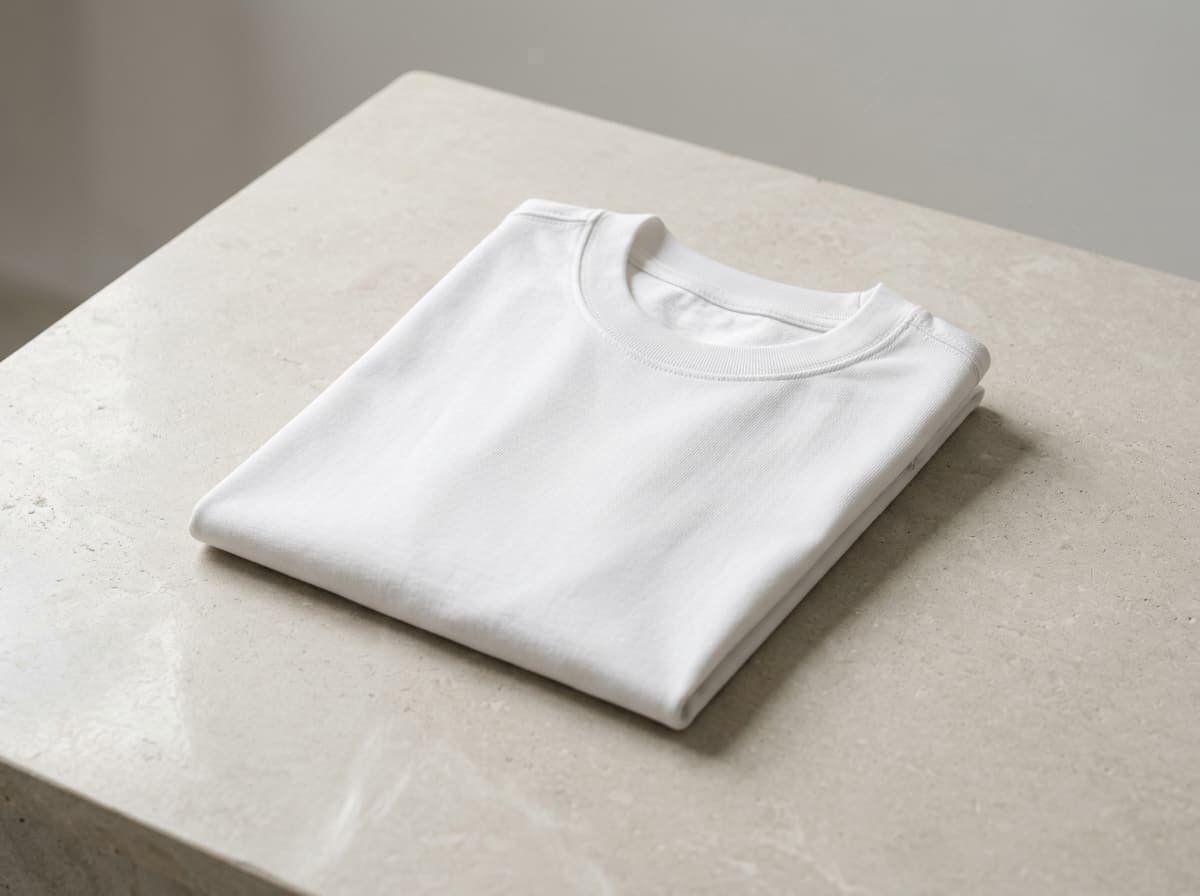
Further Reading
How to Choose the Right T-Shirt Fabric: GSM, Weaves, and Fiber Blends
How to Choose Breathable Women’s Fabrics: French Linen, Supima Cotton, and Silk
How to Find the Right Jeans Fit: Rise, Leg Shape, Denim Weight and Sizing
More GetYourWear Guides
- How to Choose the Right T-Shirt Fabric: GSM, Weaves, and Fiber Blends
- How to Wash Cotton Clothes Properly to Prevent Shrinkage and Collar Warping
- How to Choose Men’s Footwear: Cushioning, Welted Construction, and Leather Grading
- How to Clean White Leather Sneakers: Leather Conditioning and Sole Care
- How to Choose Breathable Women’s Fabrics: French Linen, Supima Cotton, and Silk
- How to Choose Women’s Footwear: Heel Counters, Arch Support, and Lightweight Platforms
- How to Find the Right Jeans Fit: Rise, Leg Shape, Denim Weight and Sizing
- Why Clothes Fade After Washing and How to Keep Colors Rich
- How to Choose the Right Backpack: Size, Materials, Straps and Comfort
Browse by category: Men's Clothing, Men's Footwear, Women's Clothing, Women's Footwear, or see all products.