How to Choose the Right T-Shirt Fabric: GSM, Weaves, and Fiber Blends
Fabric weight, fiber length and yarn type decide whether a t-shirt keeps its shape or turns limp after a few washes. This guide explains how to read the label and pick the right tee for your climate and style.
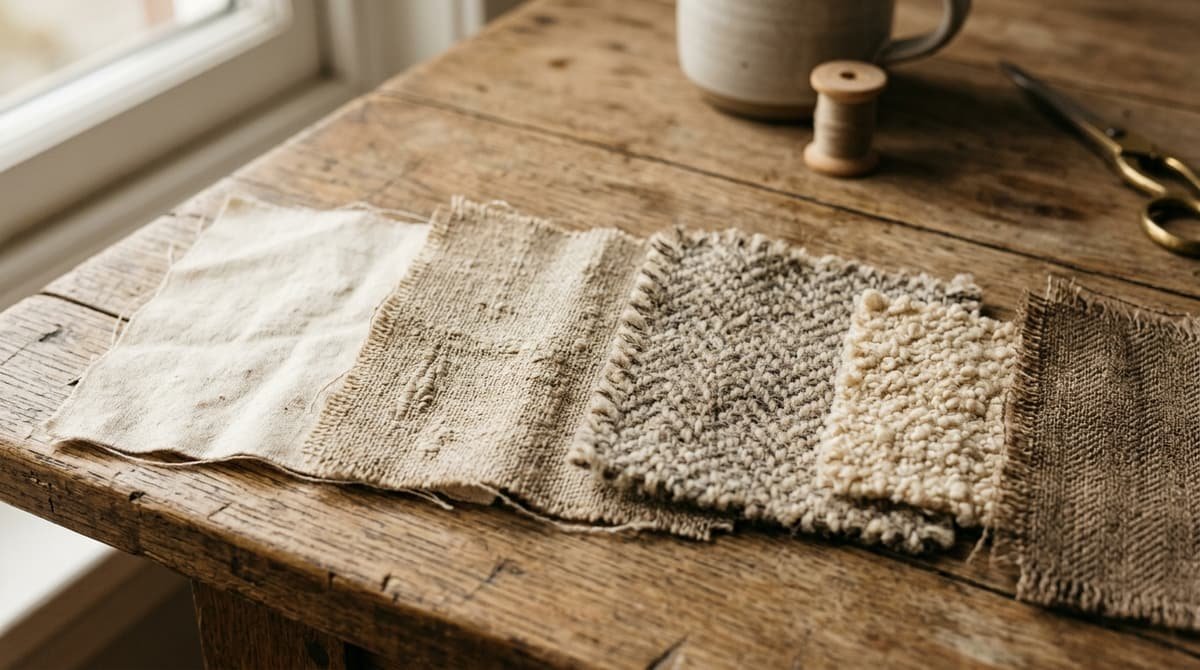
Why t-shirt fabric matters more than the brand name
A plain t-shirt looks like the simplest garment in your wardrobe, which is exactly why quality differences are so easy to miss in a photo. Two white tees can look identical on a screen and feel completely different after a month of wear. One keeps a clean neckline and a soft, even surface. The other twists at the side seams, bubbles with tiny pills under the arms and goes see-through at the shoulders.
The difference almost always comes down to three things you can learn to read: the weight of the fabric (GSM), the type and length of the cotton fibers, and the way the yarn was spun and knitted. Once you understand those three, you can judge a shirt from its description or its care label instead of guessing from the price.
This guide walks through each factor in plain language, shows you which combinations suit which situations, and finishes with a short checklist you can use the next time you buy a tee online or in a store.
1. Understanding GSM: grams per square meter
GSM stands for grams per square meter. It measures how much a square meter of the finished fabric weighs, so it is a direct indicator of how dense and heavy the knit is. It is not a measure of quality on its own, but it tells you a great deal about how a shirt will drape, how warm it will feel and how opaque it will be.
Lightweight tees (roughly 120 to 160 GSM) feel airy and are popular in hot, humid weather. They also cling more, show more of what is underneath and wrinkle faster. Mid-weight tees (roughly 170 to 200 GSM) are the most versatile range. They are substantial enough to hang cleanly from the shoulders without feeling hot. Heavyweight tees (roughly 210 to 280 GSM) hold a boxy, structured shape and are very opaque, but they trap more heat and take longer to dry.
A useful rule of thumb is to match GSM to the season and the look you want rather than assuming heavier is always better. A 240 GSM tee that is perfect in October can feel oppressive in a July heatwave.
- •120–150 GSM: very light, best for heat, layering and undershirts; check for transparency in light colors.
- •170–200 GSM: the everyday range; good opacity, balanced warmth, easy care.
- •210–280 GSM: structured streetwear and boxy fits; very opaque, warmer, slower to dry.
2. Combed, carded and open-end cotton
Before cotton becomes yarn, the raw fibers are cleaned and aligned. In carded yarn, the fibers are straightened but the shortest ones stay in the mix. In combed yarn, an extra step removes most of the short fibers, leaving longer, more parallel fibers that spin into a smoother, stronger, more even thread.
The practical result is that combed cotton feels softer against the skin, shows less surface fuzz and resists pilling better over time. Carded and open-end yarns are cheaper to produce and perfectly adequate for promotional or disposable shirts, but they tend to feel rougher and wear out faster.
You will also see the term ring-spun. Ring spinning twists the yarn more gradually than open-end spinning, which produces a finer and stronger thread. The label to look for is combed ring-spun cotton, which is the usual shorthand for a smoother, longer-lasting basic tee.
3. Long-staple cotton: Supima, Pima and Egyptian
Staple length is the length of the individual cotton fibers. Longer fibers can be spun into finer, smoother yarn with fewer loose ends, which is why long-staple cotton is associated with a soft, silky hand and better durability. Supima is a trademark for American-grown Pima cotton, and Egyptian cotton is another well-known long-staple type, though the name alone does not guarantee quality because the label has been used loosely in the past.
Long-staple cotton usually costs more, and it is a genuine upgrade when it is combined with good knitting and finishing. It is less important for a shirt you only wear for painting the house. Spend extra where softness against the skin matters most: undershirts, plain tees you wear every week and light-colored basics.
4. Knit structure: jersey, rib, pique and interlock
Most t-shirts use single jersey, a one-layer knit that is light, stretchy and breathable. Its weakness is that the edges tend to curl and the fabric can twist when washed. Interlock is a thicker double-knit that is smoother, more stable and more opaque. Pique has a textured, waffle-like surface that adds breathability and is the classic polo fabric. Rib knit is the stretchy, ridged fabric used for collars and cuffs.
The collar is where cheap tees often fail first. A good collar uses a dense rib with a small amount of elastane (often 3 to 5 percent) so it snaps back after being pulled over the head. A collar with a taped seam on the inside back of the neck adds stability and comfort. If the collar of a t-shirt looks thin and flat in the product photo, it will probably stretch out quickly.
5. Pure cotton, blends and synthetics
100 percent cotton is breathable, absorbent and comfortable in most conditions, and it is the default for everyday wear. Its downsides are slow drying and a tendency to wrinkle and shrink if washed hot.
Cotton and polyester blends dry faster, wrinkle less and hold their shape, but they can feel warmer and may hold odors more than natural fibers. Tri-blends that combine cotton, polyester and rayon give a very soft, drapey feel and a vintage look, but they pill more readily. For exercise, pure synthetics and technical blends move moisture away from the skin faster than cotton.
A small amount of elastane in the body fabric improves recovery and comfort in slim fits, but too much can make the shirt feel clingy and shiny. For a classic tee, a body fabric of 100 percent cotton with elastane only in the collar is a reliable combination.
6. Pre-shrunk fabric and finishing
Cotton knits relax and shrink the first few times they are washed, because the yarn was held under tension during manufacturing. Good manufacturers pre-shrink the fabric (often with a process called compacting or sanforizing) so that remaining shrinkage is small. Garment-washed or enzyme-washed tees are also softened and partly pre-relaxed before they reach you.
When a product description says pre-shrunk, it should still be washed cold and air-dried to keep the fit. If a shirt is not pre-shrunk, size up slightly or expect to lose a little length after the first wash.
7. A simple checklist before you buy
You can judge most tees with a few quick questions. They apply whether you are shopping online or holding the shirt in a store.
- •Is the GSM listed, and does it suit the season and the look you want?
- •Does it say combed or ring-spun cotton, or name a long-staple cotton?
- •Is the collar rib dense, with a little elastane and an inside neck tape?
- •Are the shoulder and side seams neatly overlocked, not wavy or loose?
- •Is it described as pre-shrunk, and are the care instructions realistic for you?
- •For light colors, does the description or a close-up photo suggest the fabric is opaque?
Frequently Asked Questions
Is a higher GSM t-shirt always better?
No. A higher GSM means a heavier, more opaque fabric, which suits cool weather and boxy fits. In hot climates a mid-weight or light tee is more comfortable. Choose the weight that matches the season and the look you want.
What does 100% cotton tell me about quality?
Very little on its own. Two 100% cotton shirts can differ hugely depending on fiber length, yarn type, knit density and finishing. Look for combed or ring-spun yarn, a listed GSM and a well-made collar.
Why do some white t-shirts look see-through?
Thin, loosely knitted fabric lets light pass through. Heavier, tighter knits in the 180 GSM and above range are usually more opaque, but check the description and close-up photos for light colors.
Do cotton t-shirts shrink?
Most shrink a little, mainly in length, if washed hot or dried on high heat. Pre-shrunk fabric reduces this, and washing cold and air drying keeps shrinkage minimal.
Products Mentioned in this Guide
See the full product guide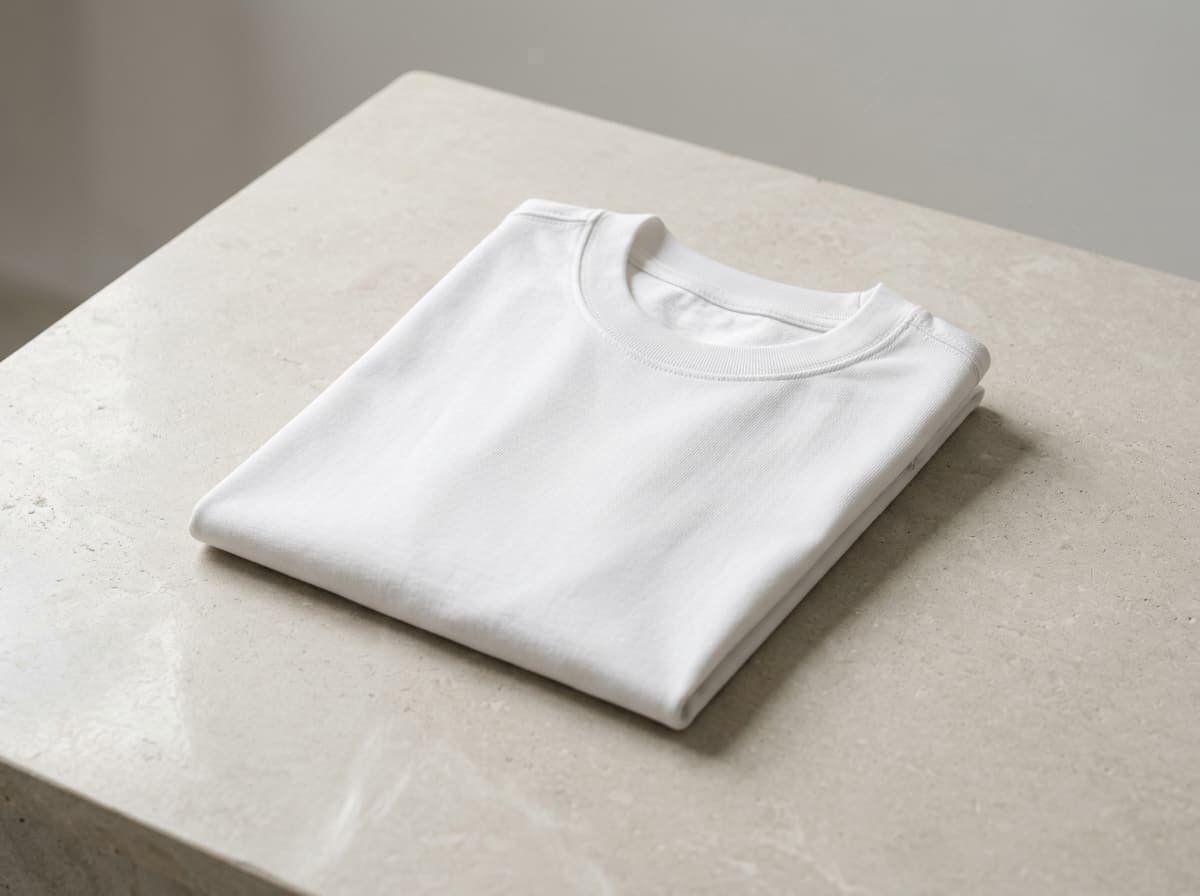
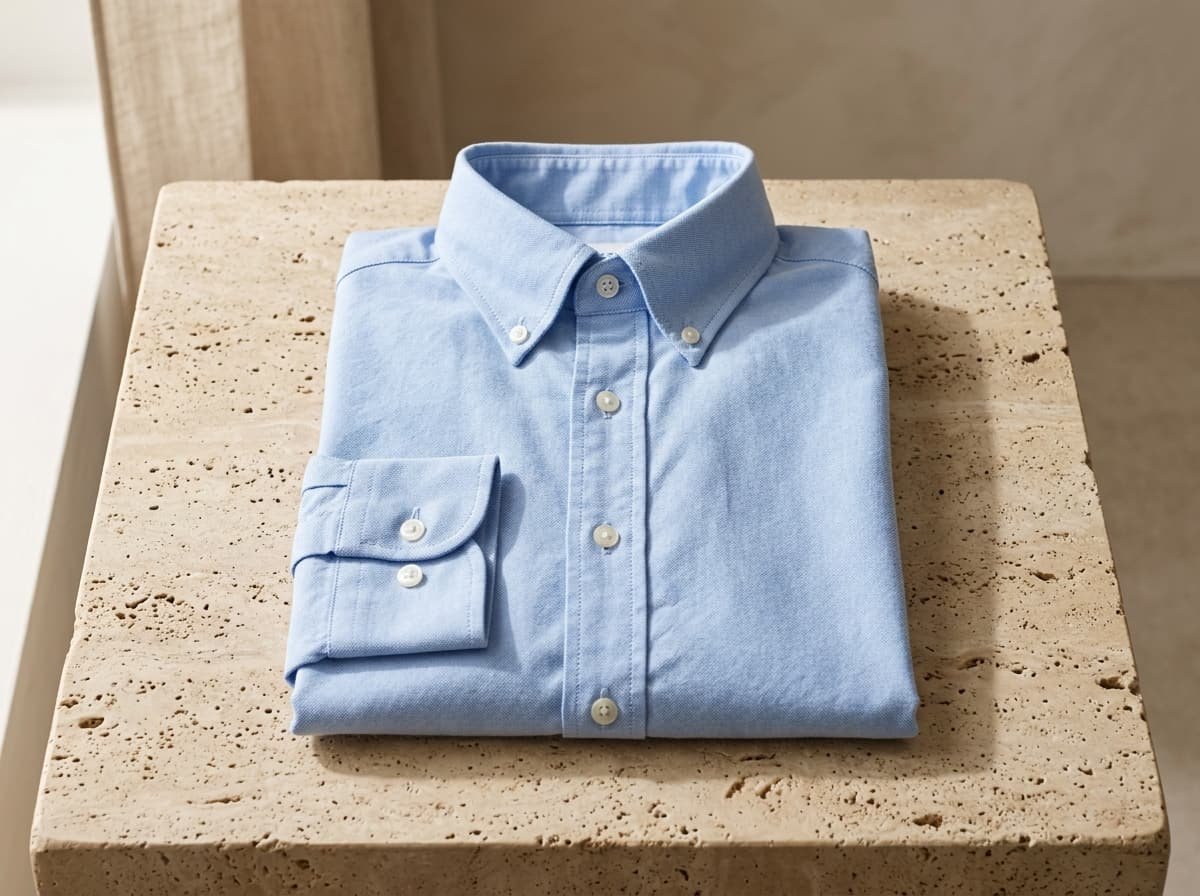
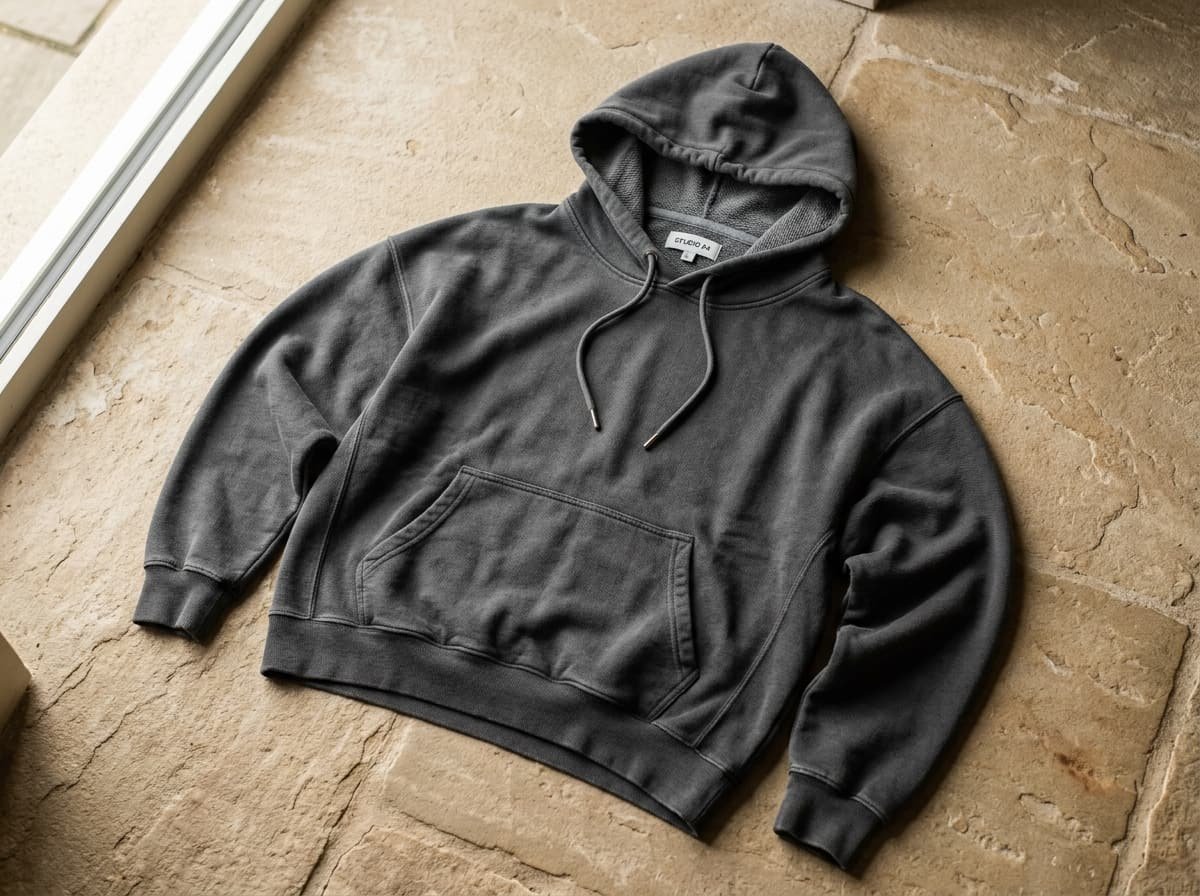
Further Reading
How to Wash Cotton Clothes Properly to Prevent Shrinkage and Collar Warping
Why Clothes Fade After Washing and How to Keep Colors Rich
How to Build a Capsule Wardrobe: A Step-by-Step Guide to Wearing More with Less
More GetYourWear Guides
- How to Wash Cotton Clothes Properly to Prevent Shrinkage and Collar Warping
- How to Choose Men’s Footwear: Cushioning, Welted Construction, and Leather Grading
- How to Clean White Leather Sneakers: Leather Conditioning and Sole Care
- How to Choose Breathable Women’s Fabrics: French Linen, Supima Cotton, and Silk
- How to Choose Women’s Footwear: Heel Counters, Arch Support, and Lightweight Platforms
- How to Find the Right Jeans Fit: Rise, Leg Shape, Denim Weight and Sizing
- Why Clothes Fade After Washing and How to Keep Colors Rich
- How to Choose the Right Backpack: Size, Materials, Straps and Comfort
- How to Build a Capsule Wardrobe: A Step-by-Step Guide to Wearing More with Less
Browse by category: Men's Clothing, Men's Footwear, Women's Clothing, Women's Footwear, or see all products.