How to Choose Men’s Footwear: Cushioning, Welted Construction, and Leather Grading
Comfort is not just soft foam. This guide explains shoe construction, leather grades, soles and fit so you can choose men’s footwear that stays comfortable and lasts for years.
What actually makes a shoe comfortable
Shoppers often judge comfort by how soft a shoe feels in the first thirty seconds, but real comfort is a combination of fit, support, weight and materials. A shoe that is soft but too narrow will hurt by the afternoon. A shoe with thick cushioning but no structure can leave your arches tired. The best everyday footwear fits your foot shape, supports your arch, bends where your foot bends and uses materials that handle your climate.
Below we break shoes down into the parts that matter so that you can read a product description and know what each term means for daily wear.
1. How the sole is attached: cemented, stitched and welted
The way an outsole is joined to the upper determines how long a shoe lasts and whether it can be repaired. Cemented construction glues the sole to the upper. It is light, flexible and inexpensive, and it is used in most sneakers and fashion shoes. Its limit is that the bond can eventually separate, especially with heat and constant flexing, and a cemented sole is hard to replace.
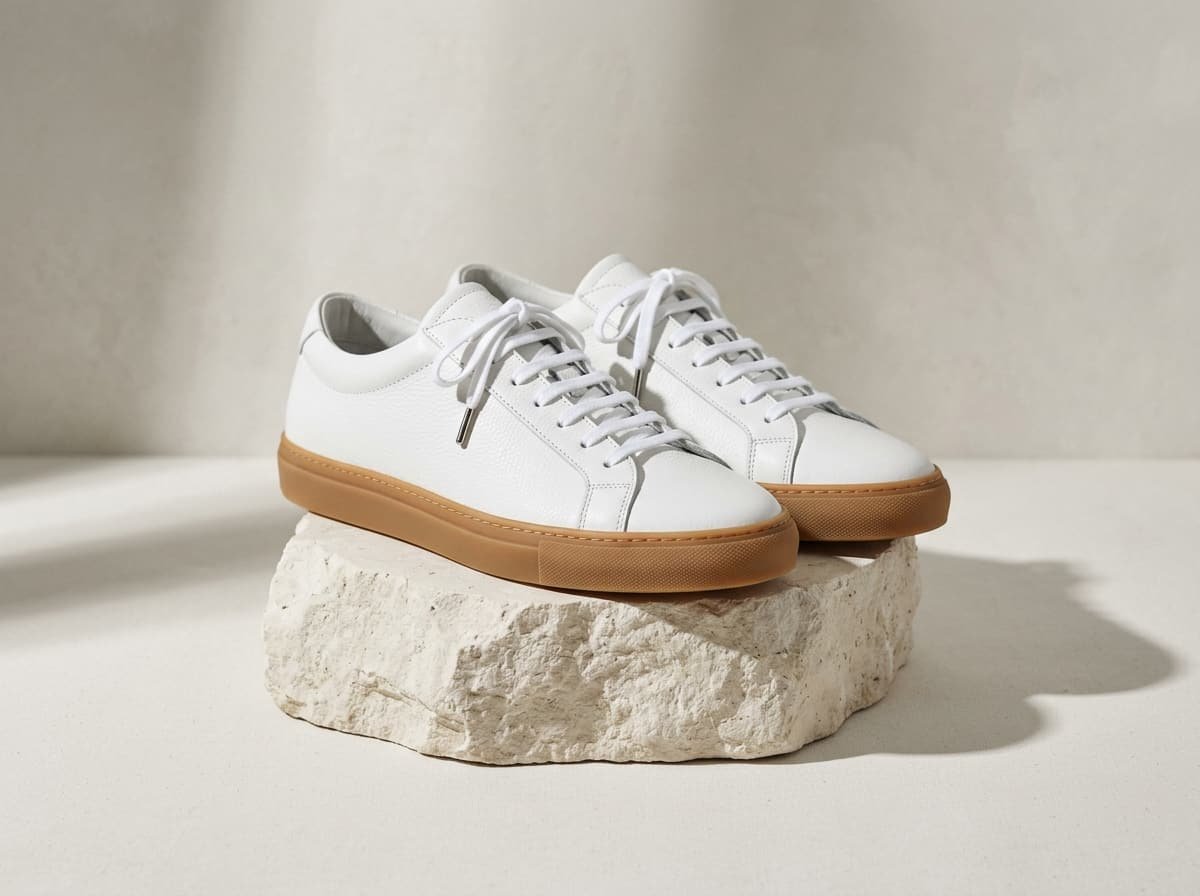
Stitched cupsoles, common on better leather sneakers, add stitching around the sidewall that mechanically locks the upper and the sole together. Blake stitch construction sews the upper directly to the sole for a slim profile. Goodyear welt construction stitches the upper to a strip of leather (the welt), which is then stitched to the outsole. This makes a shoe that is water resistant at the seam, can be resoled several times and often includes a cork footbed that molds to your foot over time.
- •Cemented: light and flexible, usually not resolable, best for casual use.
- •Stitched cupsole: durable sneaker construction with a secure bond.
- •Blake stitch: slim, flexible dress shoe construction, resolable by specialists.
- •Goodyear welt: heavy-duty, resolable many times, firmer at first and softens with wear.
2. Understanding leather grades
Leather quality varies widely, and the words on the label can be confusing. Full-grain leather uses the top layer of the hide with the natural surface intact. It is the strongest and most breathable and develops a patina over time. Top-grain leather has had the surface lightly sanded for a more uniform look, which makes it slightly less durable but still good. Corrected-grain leather is sanded more heavily and embossed with an artificial grain, and genuine leather is a legal term that usually refers to lower grades made from the layers below the top.
The finish matters too. Aniline and semi-aniline leathers show natural markings and age beautifully but mark easily. Pigmented leathers have a protective coating that resists stains and moisture better but looks more uniform. Nubuck and suede have a velvety surface that looks great but needs protective spray and careful cleaning.
3. Soles and midsoles: rubber, EVA and polyurethane
Rubber outsoles grip well and wear slowly, so they are the standard on boots and quality sneakers. EVA foam is very light and cushioned, which is why it appears in running shoes and casual sneakers, but it compresses over time and can feel flat after long use. Polyurethane midsoles last longer than EVA and keep their cushioning for more miles, at the cost of extra weight.
Look at the tread pattern too. Deep lugs offer traction on wet and uneven ground, while a flat, smooth cupsole suits dry city streets and indoor floors. Leather soles look elegant but are slippery in the wet and wear faster.
4. Fit: width, toe box and heel
The right length is only the start. Your toes should have about a thumb’s width of space in front of the longest toe and be able to spread slightly. The ball of your foot should sit at the widest part of the shoe, and your heel should stay firmly in place without slipping or digging in.
Measure both feet, because most people have one slightly larger, and try shoes in the late afternoon when feet are at their largest. Wear the type of socks you intend to wear with them. If a brand offers width options, use them. A shoe that is too narrow will cause hot spots, calluses and toe pain no matter how soft the leather is.
5. Break-in, rotation and care
Leather shoes, particularly welted boots, can feel firm during the first couple of weeks as the leather and footbed adapt. Wear them for a few hours at a time at first and with thicker socks. Pain, blisters or numbness are signs of a poor fit, not normal break-in.
Rotating between pairs gives the foam, leather and lining time to dry and recover, which can noticeably extend the life of each pair. Use cedar shoe trees in leather shoes to absorb moisture and keep their shape, clean off dirt after wet days and condition leather a few times per year.
6. A short buying checklist
Use these questions before you commit to a pair of everyday shoes.
- •How is the sole attached, and can it be replaced?
- •Which leather grade is used, and what is the finish?
- •Is the outsole rubber, and does the tread suit the weather where you live?
- •Is there enough room in the toe box, and does the heel stay in place?
- •What is the return policy if the fit is not right?
Frequently Asked Questions
Is Goodyear welt construction worth the price?
For leather boots and dress shoes you plan to wear for years, usually yes, because the sole can be replaced several times. For casual sneakers you may replace after a couple of years, so a stitched cupsole is often enough.
How should leather shoes fit?
Snug around the heel and midfoot, with about a thumb’s width in front of the longest toe and room for your toes to spread. They should not pinch or rub.
How long should shoes take to break in?
Soft leather sneakers feel comfortable almost immediately. Stiffer welted boots may take one to two weeks of short wears. Persistent pain is a sign of poor fit.
Does genuine leather mean good leather?
Not necessarily. It is a legal term often applied to lower grades. Look for full-grain or top-grain on the product description.
Products Mentioned in this Guide
See the full product guide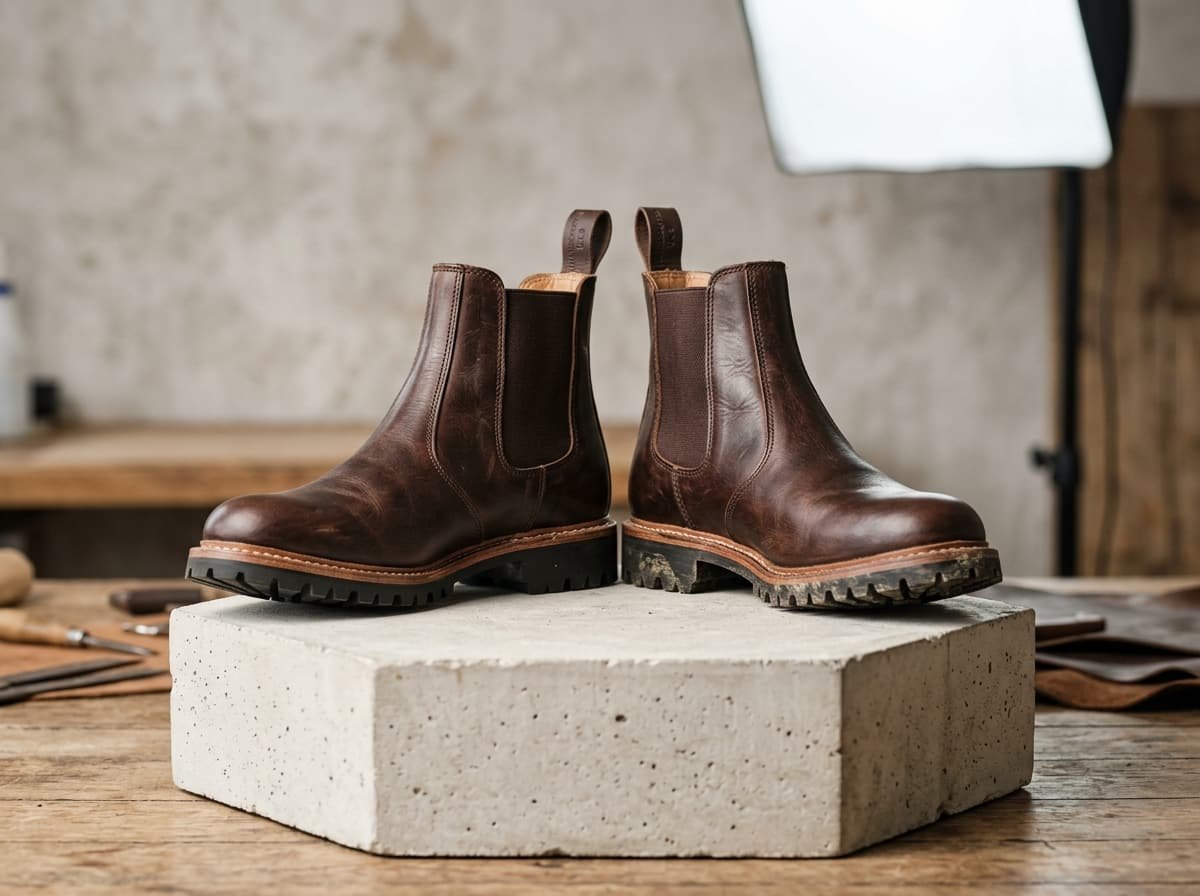
Further Reading
More GetYourWear Guides
- How to Choose the Right T-Shirt Fabric: GSM, Weaves, and Fiber Blends
- How to Wash Cotton Clothes Properly to Prevent Shrinkage and Collar Warping
- How to Clean White Leather Sneakers: Leather Conditioning and Sole Care
- How to Choose Breathable Women’s Fabrics: French Linen, Supima Cotton, and Silk
- How to Choose Women’s Footwear: Heel Counters, Arch Support, and Lightweight Platforms
- How to Find the Right Jeans Fit: Rise, Leg Shape, Denim Weight and Sizing
- Why Clothes Fade After Washing and How to Keep Colors Rich
- How to Choose the Right Backpack: Size, Materials, Straps and Comfort
- How to Build a Capsule Wardrobe: A Step-by-Step Guide to Wearing More with Less
Browse by category: Men's Clothing, Men's Footwear, Women's Clothing, Women's Footwear, or see all products.