How to Wash Cotton Clothes Properly to Prevent Shrinkage and Collar Warping
Hot water, long spin cycles and tumble drying are the main reasons cotton clothes shrink and lose their shape. This step-by-step guide shows how to wash, dry and repair cotton so it lasts for years.
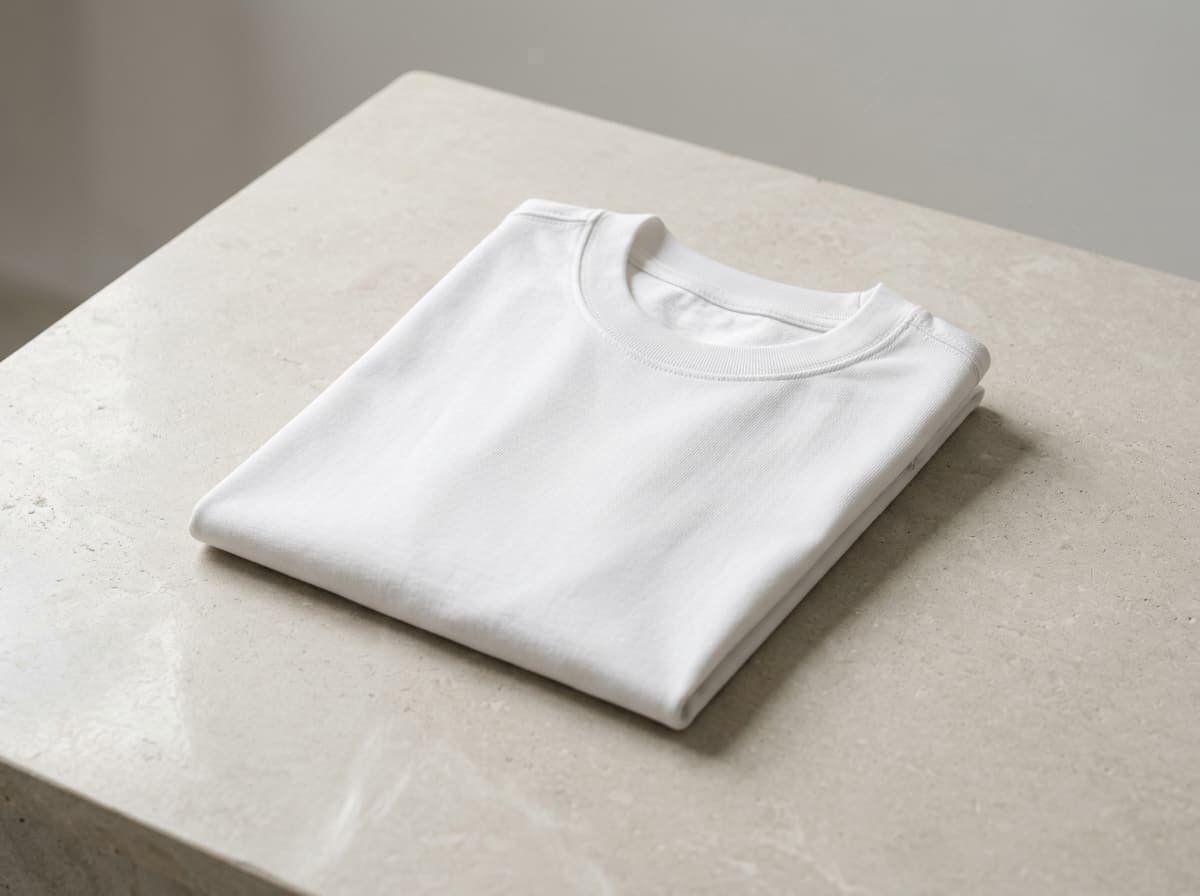
Why cotton shrinks and loses its shape
Cotton is a plant fiber, and cotton fabric is made under tension. During spinning, weaving or knitting and finishing, the yarns are stretched. When the fabric is soaked in warm or hot water and then agitated or heated, the fibers swell and relax, and the fabric gradually returns to a more natural, shorter and denser state. That is called relaxation shrinkage, and it is the reason a shirt can come out of the dryer a size smaller than it went in.
Knits, such as t-shirts and hoodies, tend to shrink mainly in length and may twist. Woven cotton, such as oxford shirts and chinos, usually shrinks less but can still change in the first few washes. Heat is the biggest driver, followed by mechanical action, so the safest routine reduces both.
Step 1: Read the care label and sort sensibly
The care label is the manufacturer’s own recommendation for the exact fabric and finish, so it always comes first. Water temperature numbers (30, 40, 60) show the maximum temperature, and the bars under the wash tub symbol show how gentle the cycle should be.
Sort by color and by fabric weight rather than only by color. Washing heavy items like hoodies and jeans with light tees means the heavy items rub the lighter fabric and speed up wear. Keep new dark and bright items apart from whites for the first few washes in case they release dye.
Step 2: Turn garments inside out and close fastenings
Turning t-shirts, hoodies and printed garments inside out protects the outer surface from friction, which keeps the color deeper and screen prints intact. Zip zippers and fasten hooks so they do not snag other clothes, and empty pockets so tissues and coins do not end up everywhere.
A mesh laundry bag is useful for delicate knits and anything with a loose-fitting neckline.
Step 3: Choose cold water and a gentle cycle
Washing at around 30°C (86°F) or on a cold setting is enough to clean everyday wear when you use a modern liquid detergent, because the enzymes in it are designed to work at low temperatures. Cold water also reduces shrinkage and color loss. Reserve warmer washes for bedding, towels and heavily soiled work clothes, and only when the label allows it.
Use a delicate or normal cycle with a moderate spin speed. Very fast spins (1,200 rpm and above) twist knit fabrics and stress side seams, while around 800 rpm is usually enough to remove most of the water. Do not overload the drum; clothes need room to move so the detergent can rinse out and fibers are not crushed together.
- •Temperature: cold to 30°C for most cotton tees and knits.
- •Spin: around 800 rpm for knits and printed items.
- •Load: fill the drum about three-quarters, not to the top.
- •Detergent: a liquid detergent, measured to the load size, with no bleach on colors.
Step 4: Dry gently and reshape
Tumble drying on high heat is the most common cause of shirts that shrink in length and lose their collar shape. If you must use a dryer, choose a low heat and take the clothes out while they are still slightly damp. The best results come from air drying: shake the garment out, smooth the seams and hang it on a wide hanger or lay it flat in the shade.
Avoid hanging knits by the shoulders for long periods while they are very wet, because the weight can stretch them. For hoodies and heavy knits, drying flat on a rack keeps the shape better. Direct sun can fade dyed cotton over time, so dry dark and bright colors in the shade or inside out.
Fixing a stretched or wavy collar
A collar that has become wavy has usually been stretched by pulling over the head or by hanging a wet shirt. You can often improve it. Wet the ribbed trim with cool water, lay the shirt flat, and gently pat the ribbing back into a tight circle with your hands. Press with a warm iron through a damp cotton cloth, lifting and pressing rather than dragging so you do not stretch it again. Let it dry completely flat.
If the collar has lost its elasticity entirely, the fabric may contain little or no elastane and the damage may be permanent. Prevention is far easier than repair, which is why a dense rib collar with a small amount of elastane is worth looking for when you buy.
Ironing, folding and storage
Iron cotton while it is slightly damp, on the reverse side for printed or dark garments, at the cotton setting the label allows. Fold knit tees rather than hanging them for long periods so the shoulders do not stretch and bump. Store clothes clean and fully dry, because damp storage causes odors and mildew.
Wash less often when you can. Airing a shirt after a short wear and spot cleaning small marks reduces wear far more than any special detergent.
Frequently Asked Questions
Can I wash cotton in warm water?
Yes, if the care label allows it, but cold or 30°C is safer for colors and fit. Use warmer water only for bedding, towels or heavily soiled items.
How do I stop my t-shirts from shrinking in length?
Avoid hot washes and high-heat tumble drying. Air dry flat or on a wide hanger, and take items out of the dryer while slightly damp if you must use one.
Should I iron cotton t-shirts?
You do not have to. If you do, iron on the reverse side while the fabric is slightly damp, using the cotton setting your label allows.
How often should I wash a t-shirt?
After most wears for t-shirts worn against the skin. Outer layers like hoodies and overshirts can be worn several times between washes, which reduces wear.
Products Mentioned in this Guide
See the full product guide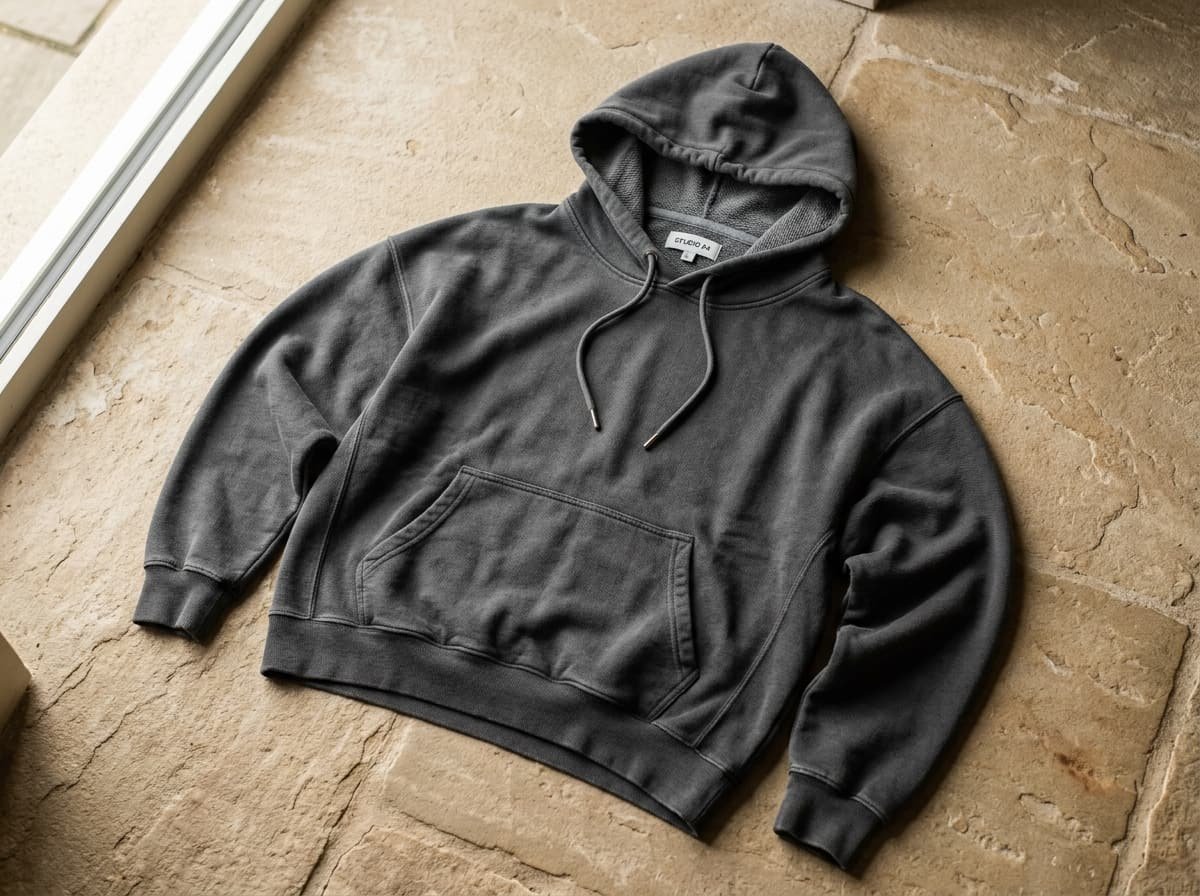
Further Reading
More GetYourWear Guides
- How to Choose the Right T-Shirt Fabric: GSM, Weaves, and Fiber Blends
- How to Choose Men’s Footwear: Cushioning, Welted Construction, and Leather Grading
- How to Clean White Leather Sneakers: Leather Conditioning and Sole Care
- How to Choose Breathable Women’s Fabrics: French Linen, Supima Cotton, and Silk
- How to Choose Women’s Footwear: Heel Counters, Arch Support, and Lightweight Platforms
- How to Find the Right Jeans Fit: Rise, Leg Shape, Denim Weight and Sizing
- Why Clothes Fade After Washing and How to Keep Colors Rich
- How to Choose the Right Backpack: Size, Materials, Straps and Comfort
- How to Build a Capsule Wardrobe: A Step-by-Step Guide to Wearing More with Less
Browse by category: Men's Clothing, Men's Footwear, Women's Clothing, Women's Footwear, or see all products.