How to Choose the Right Backpack: Size, Materials, Straps and Comfort
A good backpack should fit your torso, carry your daily load comfortably and survive years of use. Learn about capacity, fabric, zippers, straps and back panels before you buy.
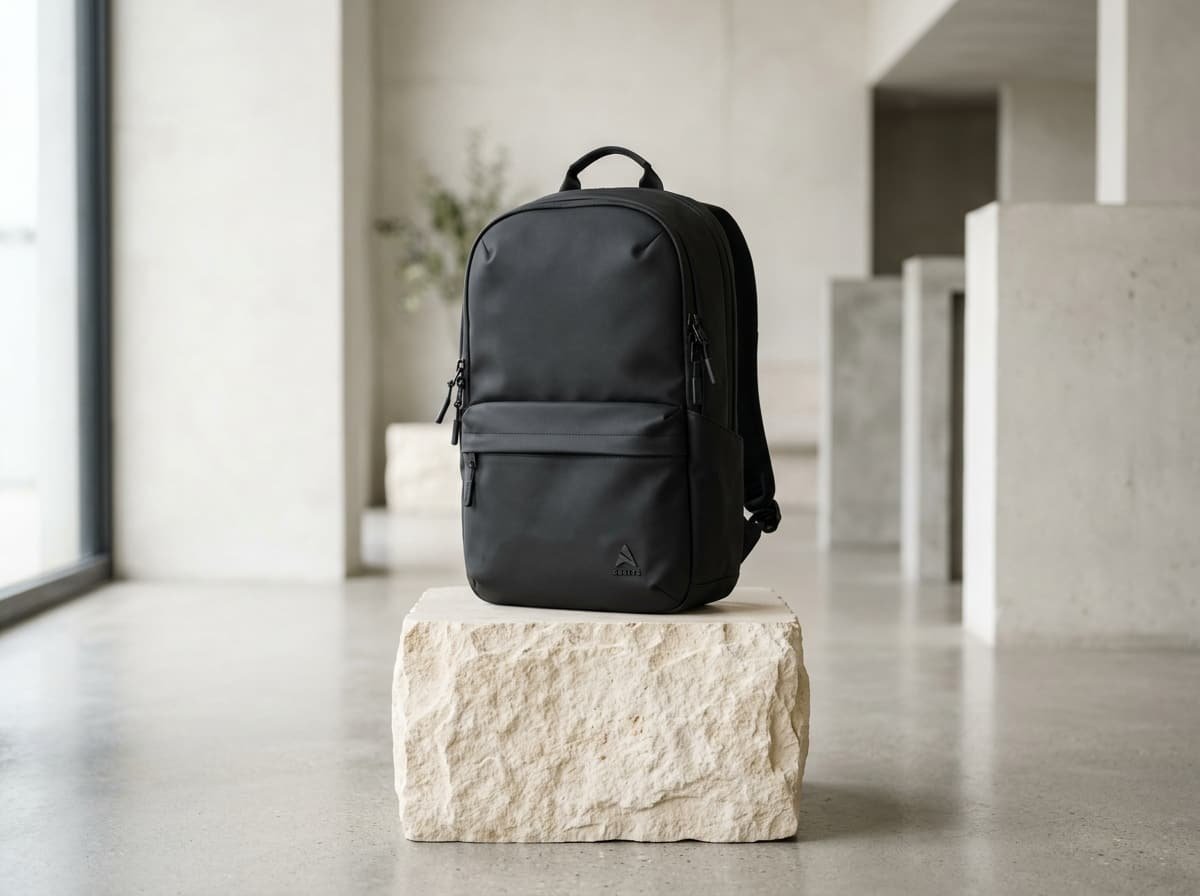
Start with how you will use it
Backpacks are designed for very different purposes: commuting, school, travel, hiking and gym. A bag that is perfect for a weekend hike may be uncomfortable for a daily office commute, and an elegant minimalist bag may not hold up under heavy loads. Begin by listing what you carry on a typical day: laptop, charger, water bottle, lunch, notebook, jacket and so on. Then choose a bag that fits that load without being much bigger than necessary, because a half-empty oversized bag tends to sag and shift.
1. Capacity: how many liters do you need?
Backpack capacity is measured in liters. As a rough guide, 15 to 20 liters suits a light daily load, 20 to 30 liters is the range for most commuters and students, and 30 to 40 liters suits business travel or short trips. Bigger bags are tempting, but you will tend to fill them, and heavy loads cause fatigue and back pain.
A common guideline in health advice is to keep your backpack load to roughly 10 to 15 percent of your body weight or less. If your bag regularly weighs more than that, remove items or distribute weight using both straps.
2. Materials and weather resistance
Nylon and polyester are the most common materials because they are light, strong and resist abrasion. The thickness of the yarn is described in denier, written as D. Higher numbers, such as 500D or 1000D, are generally heavier and tougher, while lower numbers such as 210D are lighter. Cordura is a well-known brand of durable nylon fabric. Canvas looks classic but is heavier and absorbs water unless it is treated.
Water resistance usually comes from a polyurethane coating on the inside of the fabric and a durable water repellent (DWR) finish on the outside. A water-resistant bag handles rain showers, but it is not the same as waterproof. For protection in heavy rain, look for taped seams and water-resistant zippers, or use a rain cover.
3. Zippers, stitching and hardware
The parts that fail first on cheap bags are zippers, seams and strap anchors. Look for smooth, sturdy zippers with large pulls that are easy to use with gloves, and reinforced stitching at stress points such as where the straps attach to the body. Metal buckles and strong webbing feel more reliable, while very thin plastic hardware may crack in the cold.
4. Straps, back panel and fit
Padded, contoured shoulder straps spread weight and reduce pressure. A sternum strap helps keep the straps in place and a waist belt transfers some weight to your hips for larger bags. Choose a bag whose back length suits your torso: the shoulder straps should start just below the top of your shoulders, with the bag resting on the center of your back.
A padded and ventilated back panel keeps the bag comfortable and reduces sweat. Mesh channels and foam padding help air move between the bag and your back.
5. Organization and laptop protection
Look for a padded laptop compartment that matches your laptop’s size, with some clearance at the bottom so the laptop does not sit directly on the ground when you put the bag down. Internal pockets for chargers, a quick-access pocket for keys and a side pocket for a bottle make the bag more convenient. A back pocket against your body is a more secure place for a wallet or passport.
6. Caring for your backpack
Empty the bag regularly, shake out crumbs and wipe the interior. For most nylon bags, spot clean with mild soap and a damp cloth, rinse carefully and air dry fully with all pockets open. Avoid the washing machine and dryer unless the manufacturer says it is allowed, because heat and tumbling can damage coatings and foam.
Frequently Asked Questions
How many liters is a good everyday backpack?
For most commuters and students, 20 to 30 liters is plenty. Smaller bags suit light loads and larger ones suit business travel.
Is water-resistant the same as waterproof?
No. Water-resistant bags handle light rain; waterproof bags have taped seams and sealed zippers. A rain cover is a cheap upgrade.
How heavy should a backpack be?
Common health guidance suggests staying around 10 to 15 percent of body weight or less.
Can I wash my backpack in the machine?
Usually not. Spot clean with mild soap and air dry unless the care label says otherwise.
Further Reading
More GetYourWear Guides
- How to Choose the Right T-Shirt Fabric: GSM, Weaves, and Fiber Blends
- How to Wash Cotton Clothes Properly to Prevent Shrinkage and Collar Warping
- How to Choose Men’s Footwear: Cushioning, Welted Construction, and Leather Grading
- How to Clean White Leather Sneakers: Leather Conditioning and Sole Care
- How to Choose Breathable Women’s Fabrics: French Linen, Supima Cotton, and Silk
- How to Choose Women’s Footwear: Heel Counters, Arch Support, and Lightweight Platforms
- How to Find the Right Jeans Fit: Rise, Leg Shape, Denim Weight and Sizing
- Why Clothes Fade After Washing and How to Keep Colors Rich
- How to Build a Capsule Wardrobe: A Step-by-Step Guide to Wearing More with Less
Browse by category: Men's Clothing, Men's Footwear, Women's Clothing, Women's Footwear, or see all products.