How to Find the Right Jeans Fit: Rise, Leg Shape, Denim Weight and Sizing
Great jeans depend on rise, thigh room, leg shape, fabric and the way the waist fits. This guide shows how to measure, compare fits and shop for denim that feels right and lasts.
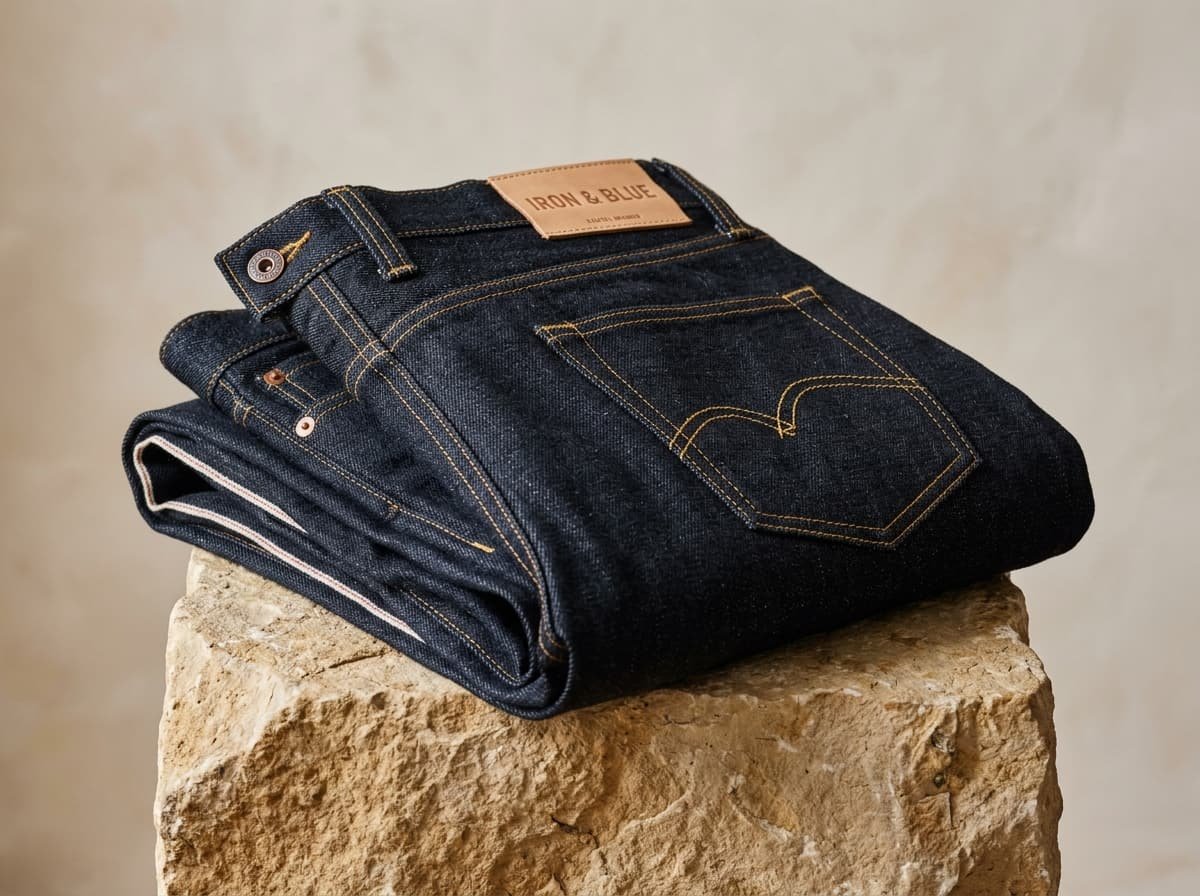
Why jeans are hard to buy
Jeans are worn more often than almost any other garment, yet they are hard to buy because small differences in cut change the way they fit. Two pairs both labeled 32 inches can fit very differently, because brands measure and cut differently and because denim can be rigid, stretchy, pre-washed or raw.
To make shopping easier, think of jeans as a combination of five decisions: the rise, the fit through the hips and thighs, the leg shape, the fabric, and the length. Once you know your preferences on each, you can shop confidently online.
1. Rise: where the jeans sit
Rise is the distance from the crotch seam to the top of the waistband. Low rise sits on the hips, mid rise sits just below the navel, and high rise sits at or above the navel. A comfortable rise should keep the waistband in place without digging in or gaping at the back when you sit.
As a general guide, a taller or longer-torso build often suits a higher rise, while a shorter torso may prefer a mid rise. The most reliable way to find your preferred rise is to measure a pair you already love and compare it with the size chart.
2. The core fits: slim, straight, tapered, relaxed and wide
Slim fit follows the leg more closely and narrows toward the ankle. Straight fit keeps the leg opening roughly the same width as the knee and is the most universal shape. Tapered fit has room in the seat and thigh but narrows from the knee to the ankle, which works well with sneakers and boots. Relaxed fit has more room throughout, and wide-leg fits are even fuller, with a leg opening that can be 20 inches or more around.
Choose by comfort first and style second. If you have muscular thighs or sit a lot, a straight or tapered cut with more thigh room is typically more comfortable than a slim cut.
- •Slim: closer fit, best with a little stretch in the fabric.
- •Straight: classic and balanced; suits most body types.
- •Tapered: roomy at the top, narrower at the ankle.
- •Relaxed and wide: extra room; style depends on the break at the shoe.
3. Denim weight and fabric type
Denim weight is measured in ounces per square yard. Lightweight denim (under about 12 oz) feels soft and breathes well, mid-weight denim (around 12 to 14 oz) is the versatile everyday range, and heavyweight denim (above about 14 oz) is stiff at first, very durable and develops strong fades.
Stretch denim has a small percentage of elastane (commonly 1 to 2 percent) for comfort and easier movement. Rigid denim contains no stretch, feels firmer and tends to hold its shape and fade more dramatically over time. Selvedge denim is woven on shuttle looms with a self-finished edge, which is prized for its quality and the clean line visible on a cuffed hem.
4. Sanforized, raw and washed denim
Sanforized denim has been pre-shrunk, so it shrinks very little after you buy it. Unsanforized or shrink-to-fit denim is sold as it came off the loom and can shrink noticeably in its first wash, often by a few percent, which is why those jeans are sold in tricky sizes and with detailed instructions. Raw or dry denim is unwashed and holds its dark indigo color, while pre-washed denim has been softened and faded in manufacturing.
If a product description says the jeans are sanforized, order your true size. If they are shrink-to-fit, follow the brand’s sizing advice carefully and consider washing them before hemming.
5. Getting the waist and length right
The waist should be snug but comfortable, and a finger or two should fit between your body and the waistband when you stand. Stretch denim will relax and loosen slightly over a day of wear, while rigid denim typically loosens less. If you are between sizes in rigid denim, many people choose the smaller size and let the fabric soften, but only if the brand’s fabric is known to give a little.
Inseam length is a matter of preference. For a clean look, the hem should sit at the top of the shoe with a slight break, or be cuffed once or twice. Check the inseam in the size chart and consider a tailor for a perfect hem.
6. Measure before you buy online
Lay your best-fitting pair of jeans flat and measure the waist across the top and double it, the rise from crotch to waistband, the thigh across about an inch below the crotch seam and the leg opening. Compare those with the size chart for each style you consider. This takes five minutes and removes most of the guesswork.
Caring for denim
Wash jeans less often than you wash tees. Turn them inside out, use cold water and a mild detergent, and hang them to dry to protect color and reduce shrinkage and stress on stretch fibers. Airing, spot cleaning and occasional washes preserve the indigo and the shape much better than frequent hot washing.
Frequently Asked Questions
Should I size down in jeans?
Only if the fabric is rigid and the brand’s denim is known to stretch with wear. For stretch denim and pre-washed jeans, order your true size.
What is the difference between slim and tapered jeans?
Slim jeans are fitted from hip to ankle. Tapered jeans have more room at the hip and thigh and narrow below the knee.
What does selvedge denim mean?
It is denim woven on shuttle looms with a self-finished edge that does not fray. It is valued for quality and the clean edge visible on a cuff.
How often should I wash jeans?
Far less often than other clothes. Spot clean and air them between wears, and wash cold and inside out when needed.
Products Mentioned in this Guide
See the full product guideFurther Reading
How to Wash Cotton Clothes Properly to Prevent Shrinkage and Collar Warping
Why Clothes Fade After Washing and How to Keep Colors Rich
How to Build a Capsule Wardrobe: A Step-by-Step Guide to Wearing More with Less
More GetYourWear Guides
- How to Choose the Right T-Shirt Fabric: GSM, Weaves, and Fiber Blends
- How to Wash Cotton Clothes Properly to Prevent Shrinkage and Collar Warping
- How to Choose Men’s Footwear: Cushioning, Welted Construction, and Leather Grading
- How to Clean White Leather Sneakers: Leather Conditioning and Sole Care
- How to Choose Breathable Women’s Fabrics: French Linen, Supima Cotton, and Silk
- How to Choose Women’s Footwear: Heel Counters, Arch Support, and Lightweight Platforms
- Why Clothes Fade After Washing and How to Keep Colors Rich
- How to Choose the Right Backpack: Size, Materials, Straps and Comfort
- How to Build a Capsule Wardrobe: A Step-by-Step Guide to Wearing More with Less
Browse by category: Men's Clothing, Men's Footwear, Women's Clothing, Women's Footwear, or see all products.