How to Choose Women’s Footwear: Heel Counters, Arch Support, and Lightweight Platforms
Heel stability, arch support, toe-box shape and sole weight decide whether women’s shoes stay comfortable all day. Learn what each part does and how to check it before you buy.
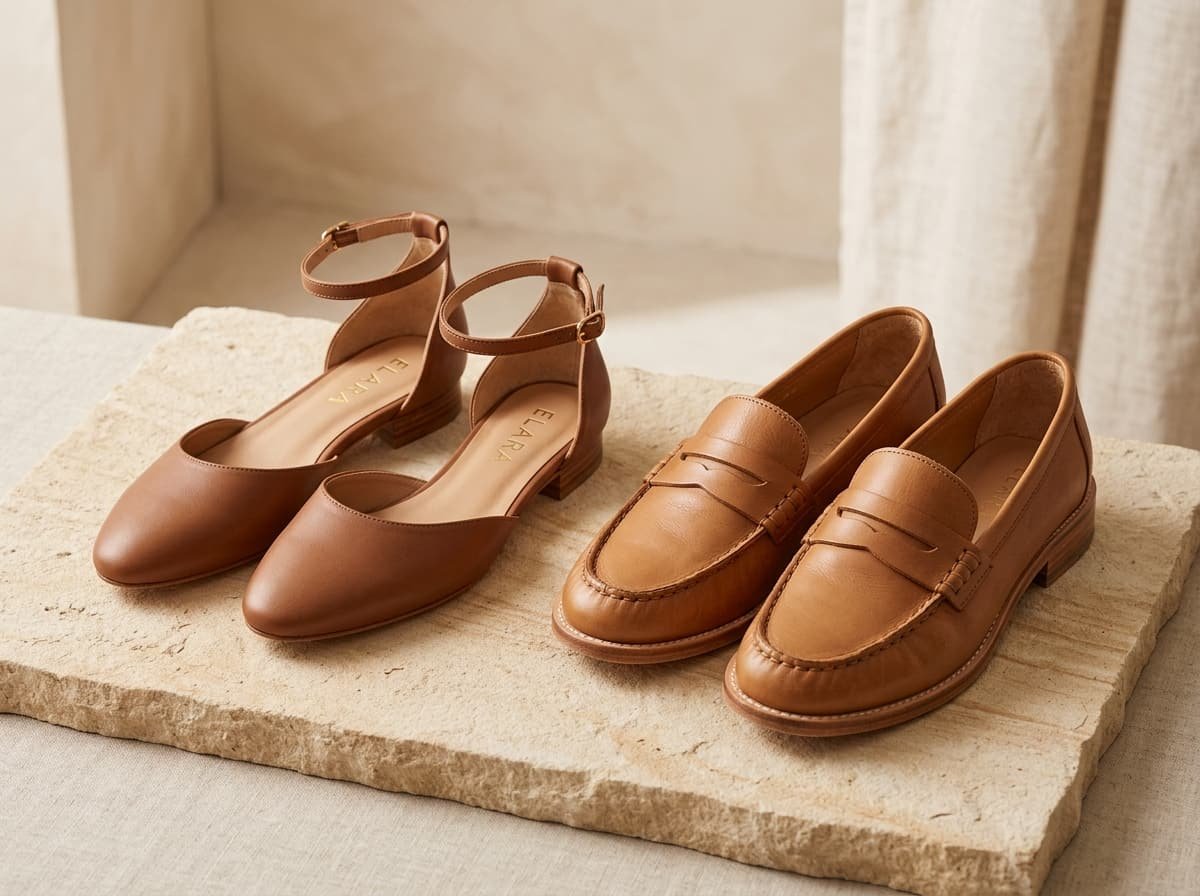
Why shoe comfort is about structure, not softness
A shoe that feels soft in the store can still be a poor choice for a day of walking. Comfort comes from the way the shoe holds and moves with your foot: a stable heel, support under the arch, enough room for your toes and a sole that flexes in the right place. This is true whether you are buying sneakers, flats, loafers or boots.
Women’s footwear has historically been designed around fashion first, so it is worth looking closely at the construction details that make the difference between a shoe you wear once and a shoe you reach for every day.
1. The heel counter: your foot’s anchor
The heel counter is the firm cup at the back of the shoe that surrounds your heel. A good heel counter holds your heel in place, reduces rubbing and helps keep your foot aligned as you walk. Pinch the back of the shoe: if it collapses easily, the counter is soft and your heel will move around, which leads to blisters and fatigue.
Slip-on flats and backless styles often lack a firm heel counter. That is fine for short wear, but for long walking days choose shoes with a structured back and a snug but comfortable heel fit.
2. Arch support and the insole
Arches vary from low to high, and the right support depends on your foot. Many everyday shoes have a flat insole that offers little support. Look for a contoured footbed that gently rises under the arch, and check if the insole is removable so that you can swap in a custom or over-the-counter insole if needed.
If you regularly have heel, arch or ball-of-foot pain, consider seeing a podiatrist or a qualified foot specialist, because footwear alone may not solve a medical issue.
3. Toe box shape and fit
The toe box should allow your toes to lie flat and spread slightly. Pointed shoes can look elegant but squeeze the front of the foot. If you like a pointed silhouette, look for a roomier toe box with a stretchy upper material or choose a round or almond toe. Try shoes on late in the day when feet are slightly larger and leave about a thumb’s width of space ahead of your longest toe.
Sizing differs between brands, and many styles come in half sizes and different widths. Do not assume that your size is identical everywhere. Always check the brand’s size guide and the return policy.
4. Heel height, pitch and platforms
Heel height affects how weight is distributed across the foot. Higher heels shift pressure to the ball of the foot and make the toe box more important. A block heel adds stability compared with a stiletto, and a platform reduces the effective heel pitch, meaning the angle of your foot is gentler for the same overall height.
Lightweight platform soles made from EVA foam are popular because they add height without adding much weight. A slightly curved, rocker-style sole can also make walking feel smoother by helping your foot roll forward.
- •Flats: choose a structured heel counter and a cushioned insole.
- •Block heels: more stable than thin heels; check the toe box.
- •Platform boots: look for lightweight soles with deep lugs for grip.
- •Sneakers: look for flexible forefoot, supportive midfoot and cushioning.
5. Materials: leather, textile and synthetics
Leather molds to the foot over time and breathes well, which suits daily wear, and soft leather linings reduce friction. Textile uppers are lighter and breathable but may offer less structure. Synthetic uppers can be water-resistant and cheap, but they usually do not stretch or breathe as well as leather.
Look at the lining and the seams inside the shoe. Rough seams or stiff linings often cause blisters. Smooth, fully lined interiors are far more comfortable for long wear.
6. Traction and sole flex
A rubber outsole with a visible pattern grips far better on wet surfaces than a smooth leather or hard plastic sole. Check flexibility by gently bending the shoe: it should flex at the ball of the foot, not in the middle of the arch. A shoe that bends in the middle offers poor support.
A practical checklist
Run through these points before ordering, and again when the shoes arrive.
- •Does the heel counter feel firm and does the heel stay in place?
- •Is there contoured arch support, and can the insole be removed?
- •Can your toes spread comfortably, with about a thumb’s width of space?
- •Does the sole flex at the ball of the foot and have grip on wet floors?
- •Is the interior smooth with no rough seams?
Frequently Asked Questions
How do I check a heel counter?
Squeeze the back of the shoe. If it collapses easily, it is soft and your heel may slip. A firm cup that resists squeezing gives better stability.
Are flats bad for your feet?
Not necessarily, but many flats lack arch support and a firm heel. Choose flats with a cushioned, contoured insole and a structured back for long wear.
Do platforms make heels more comfortable?
They can. A platform reduces the effective heel pitch, so the foot is at a gentler angle for the same total height, especially with a lightweight sole.
What should I do if shoes hurt after a short time?
Check size and width first. If the shoes are the right size and still hurt, return them. For ongoing pain, speak to a podiatrist.
Products Mentioned in this Guide
See the full product guide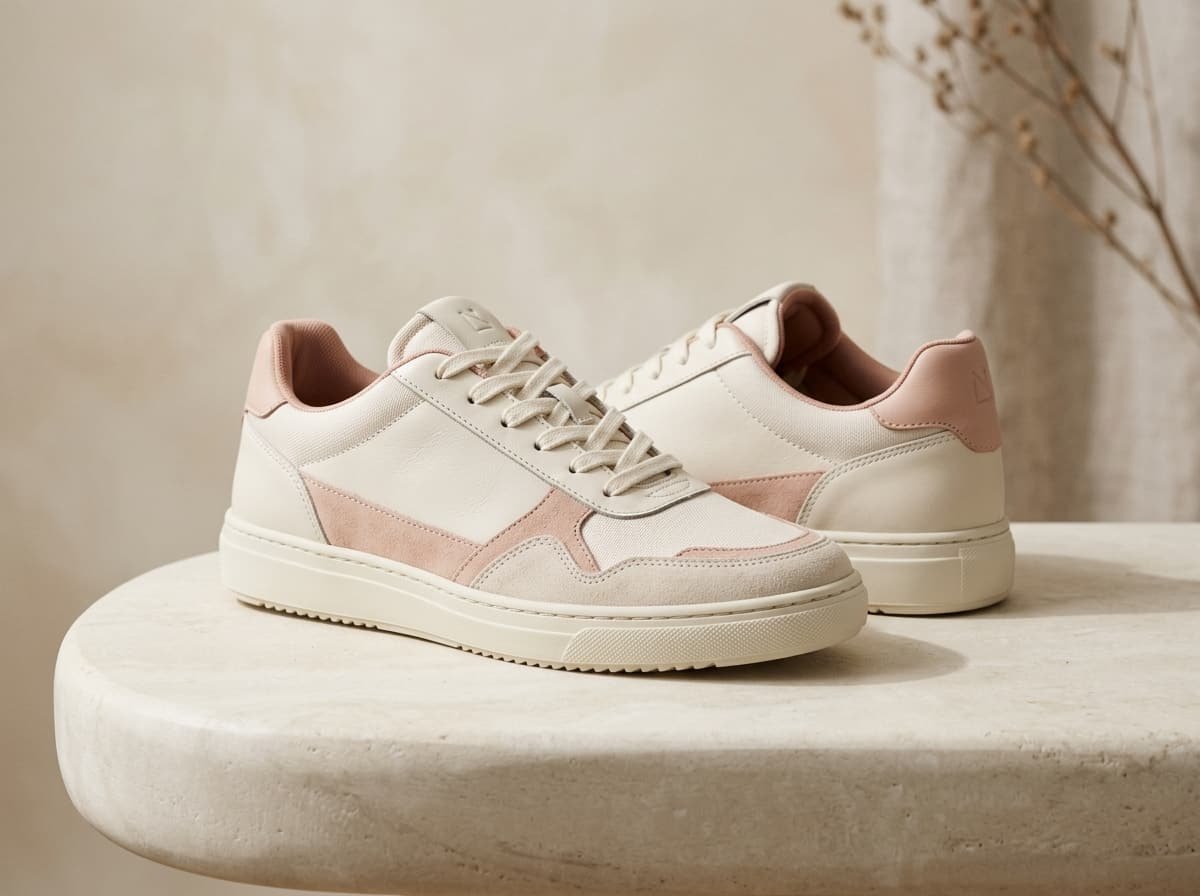
Further Reading
More GetYourWear Guides
- How to Choose the Right T-Shirt Fabric: GSM, Weaves, and Fiber Blends
- How to Wash Cotton Clothes Properly to Prevent Shrinkage and Collar Warping
- How to Choose Men’s Footwear: Cushioning, Welted Construction, and Leather Grading
- How to Clean White Leather Sneakers: Leather Conditioning and Sole Care
- How to Choose Breathable Women’s Fabrics: French Linen, Supima Cotton, and Silk
- How to Find the Right Jeans Fit: Rise, Leg Shape, Denim Weight and Sizing
- Why Clothes Fade After Washing and How to Keep Colors Rich
- How to Choose the Right Backpack: Size, Materials, Straps and Comfort
- How to Build a Capsule Wardrobe: A Step-by-Step Guide to Wearing More with Less
Browse by category: Men's Clothing, Men's Footwear, Women's Clothing, Women's Footwear, or see all products.