Why Clothes Fade After Washing and How to Keep Colors Rich
Fading is caused by dye loss from heat, friction, harsh detergents and sunlight. Learn why colors fade and the laundry habits that keep your clothes looking fresh for longer.
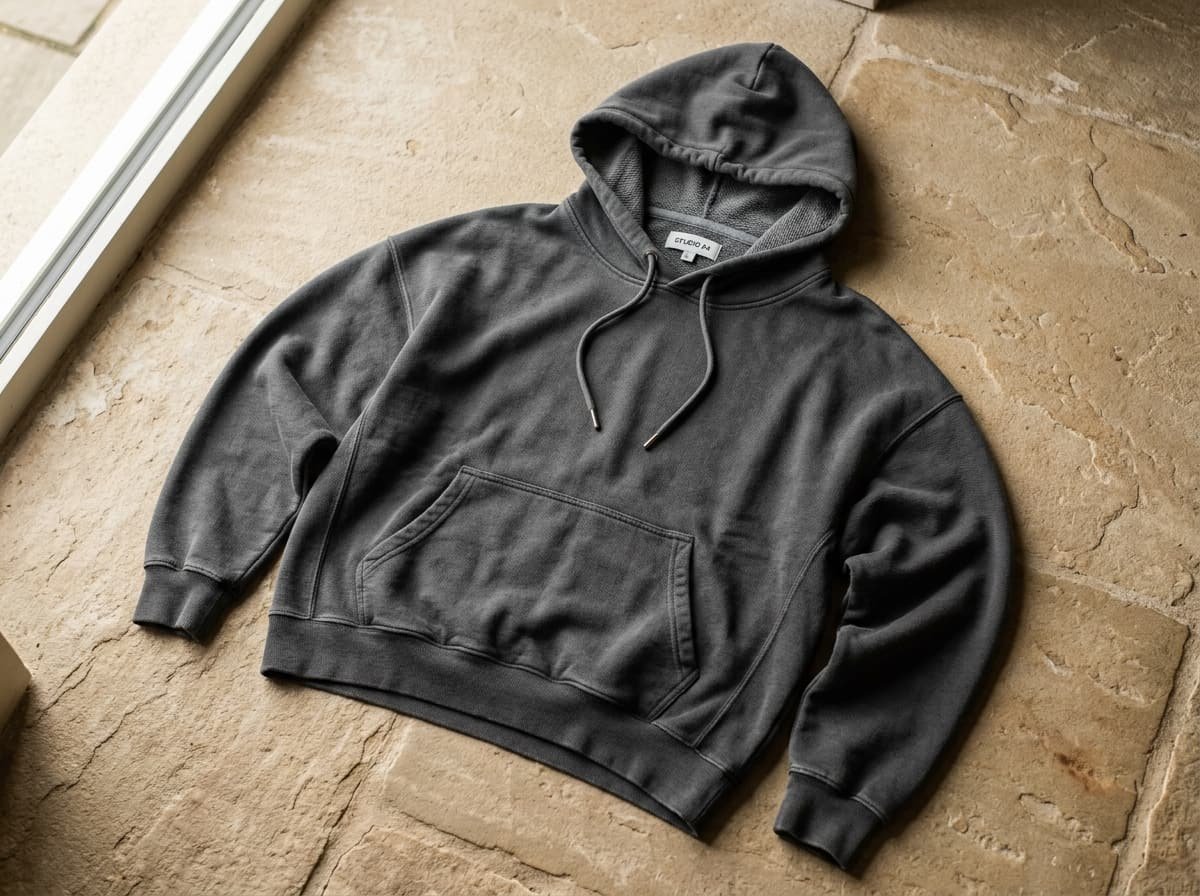
What fading really is
When clothes fade, tiny particles of dye are being lost from the fibers or damaged by light and chemicals. Dye is not painted on the surface in the same way as a coat of paint. It either bonds with the fiber (as reactive dyes do with cotton) or sits inside it (as disperse dyes do with polyester). Over time, washing, friction, heat, sunlight and some chemicals break down or release those dye molecules, and the color appears paler and duller.
Some fading is part of the design. Indigo denim fades on purpose because the dye sits mostly on the surface of the yarn. For most other clothes, though, you want to keep the color for as long as possible, and a few routine changes make a big difference.
1. Hot water
Warm and hot water swell the fibers and make it easier for dye to escape, so dark and bright cotton clothes lose color faster in hot washes. Cold water is gentler on dye and also reduces shrinkage. Modern detergents are designed to clean effectively in cold water, so for everyday clothes there is little reason to wash hot.
2. Friction and overloading
Every wash rubs fabric against fabric. Heavy items like jeans and hoodies abrade lighter items, and a crowded drum increases the friction. Rough surfaces release dye and create pilling, which makes colors look faded because the fabric surface is scattered with tiny fibers that reflect light.
Turn garments inside out, use a gentle cycle and do not fill the drum to the top. A mesh bag helps with delicate items and prints.
3. Harsh detergents, bleach and brighteners
Chlorine bleach removes color from most dyed fabrics. Many standard detergents also contain optical brighteners that are designed to make whites look whiter, and which can make colors appear less rich. Use a detergent made for colors for dark and bright garments, and measure the dose carefully because using too much leaves residue that dulls the fabric.
Avoid pouring detergent directly on the clothes, and never mix bleach into a colored wash.
4. Sunlight and heat drying
Ultraviolet light breaks down dye molecules, which is why curtains and clothes dried in strong sun fade over time. A tumble dryer on high heat is just as harsh: the heat and tumbling both strip color and wear the fibers. Dry dark and bright clothes in the shade or inside out, or tumble dry on low heat for a short time.
5. Sweat, deodorant and body products
Perspiration, antiperspirant and some body products can stain and discolor fabric, particularly under the arms. Let deodorant dry before dressing and wash sweaty clothes promptly rather than leaving them in a hamper for days.
A fade-proof laundry routine
Following these simple steps will keep colors richer for much longer.
- •Wash new, dark and bright clothes separately for the first few washes.
- •Turn clothes inside out and use a cold, gentle cycle.
- •Use a detergent made for colors and measure the dose.
- •Do not overload the drum.
- •Dry in shade or flat, and avoid high heat in the dryer.
- •Wash only when needed; air out clothes between wears.
- •Use a color-catcher sheet if you wash mixed colors together.
Can you bring faded clothes back?
For faded black or dark cotton, a fabric dye designed for home use can restore color if you follow the instructions carefully and wash the item separately afterward. Results vary depending on the fabric and the dye, and many synthetic fibers need a special dye. A dark, soft-touch finish can look better with a fabric shaver that removes pills. If the fabric is thin or damaged, replacing it may be the better option.
Frequently Asked Questions
Does washing inside out stop fading?
It reduces friction on the outside of the fabric, which helps keep color and prints looking fresh.
Do color-catcher sheets work?
They absorb loose dye in the wash water and help prevent color transfer, but they do not stop the garment itself from fading.
Why do black clothes turn grey?
Dye is lost through washing, friction and sunlight, and the fabric surface also gets covered in fine fuzz. Cold washes, dark-specific detergent and shade drying help.
Is vinegar a good way to set color?
It is a popular home tip but results are mixed. Following the care label and washing cold is more reliable.
Products Mentioned in this Guide
See the full product guide
Further Reading
How to Choose the Right T-Shirt Fabric: GSM, Weaves, and Fiber Blends
How to Wash Cotton Clothes Properly to Prevent Shrinkage and Collar Warping
How to Find the Right Jeans Fit: Rise, Leg Shape, Denim Weight and Sizing
More GetYourWear Guides
- How to Choose the Right T-Shirt Fabric: GSM, Weaves, and Fiber Blends
- How to Wash Cotton Clothes Properly to Prevent Shrinkage and Collar Warping
- How to Choose Men’s Footwear: Cushioning, Welted Construction, and Leather Grading
- How to Clean White Leather Sneakers: Leather Conditioning and Sole Care
- How to Choose Breathable Women’s Fabrics: French Linen, Supima Cotton, and Silk
- How to Choose Women’s Footwear: Heel Counters, Arch Support, and Lightweight Platforms
- How to Find the Right Jeans Fit: Rise, Leg Shape, Denim Weight and Sizing
- How to Choose the Right Backpack: Size, Materials, Straps and Comfort
- How to Build a Capsule Wardrobe: A Step-by-Step Guide to Wearing More with Less
Browse by category: Men's Clothing, Men's Footwear, Women's Clothing, Women's Footwear, or see all products.