Linen vs Cotton Shirts: Which Fabric Is Better for Hot Weather?
Linen and cotton are the two classic summer shirt fabrics, but they behave very differently. Compare breathability, wrinkling, durability, care and price before choosing.
The short answer
If you want maximum airflow and a relaxed, textured look, linen is the better hot-weather fabric. If you want something smoother, less wrinkly and easier to care for, cotton is the safer all-rounder. Most people end up owning both, because they suit different days and different dress codes.
The rest of this guide explains why, so you can decide which one fits your climate, your patience for ironing and your style.
Where the fibers come from
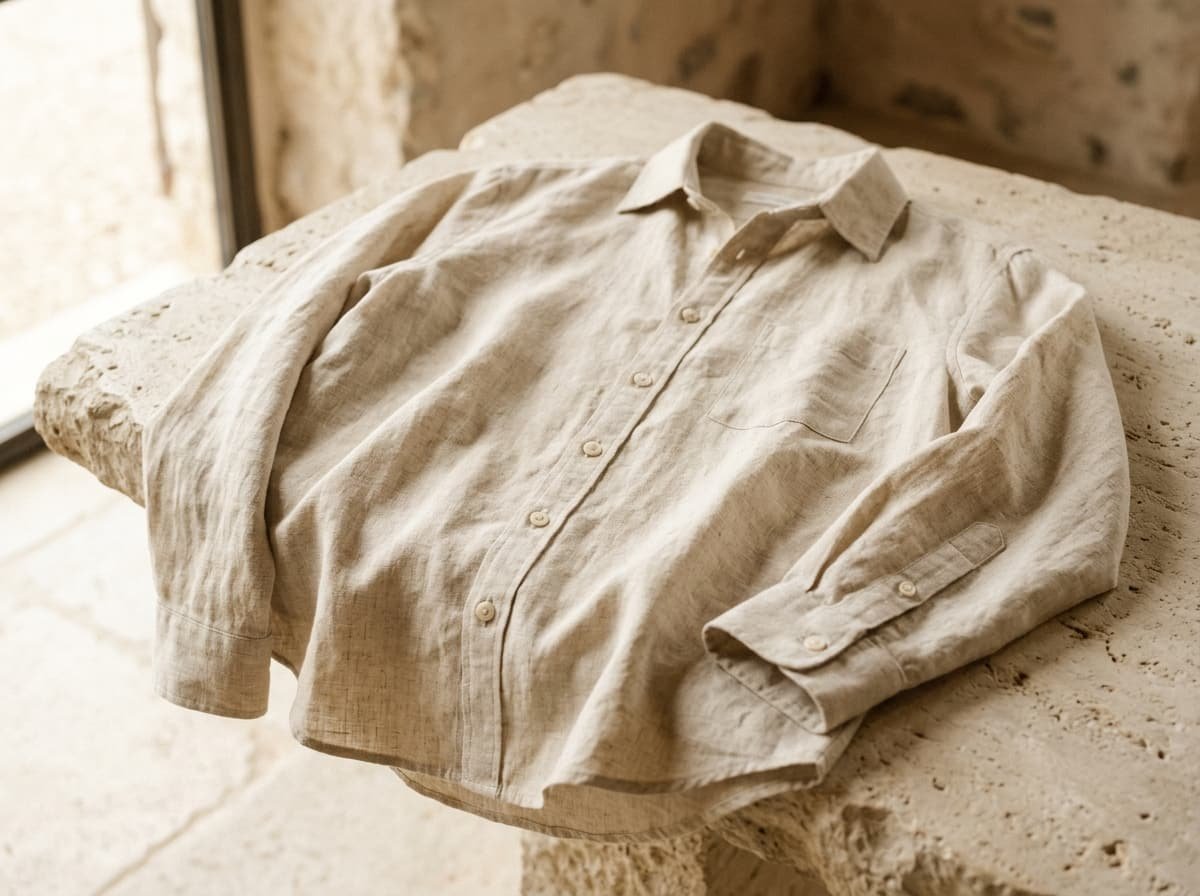
Linen is made from the stalks of the flax plant. The fibers are long, stiff and strong, and they are naturally a little irregular, which creates the slubby texture linen is known for. Cotton comes from the soft seed fibers of the cotton plant. Cotton fibers are shorter and finer, which is why cotton fabric usually feels smoother from the first wear.
Fiber structure explains most of the differences you notice day to day: linen is crisper and more open, while cotton is softer and denser.
Breathability and cooling
Linen fibers are hollow-ish and stiff, so the fabric sits slightly away from the skin and lets air move freely. It also absorbs moisture quickly and releases it quickly, which is why linen feels dry rather than clammy in humid heat. A loose linen shirt is among the most comfortable things you can wear when temperatures climb.
Cotton is also breathable and absorbent, particularly in lightweight weaves such as voile, lawn and poplin. It holds on to moisture for longer than linen, so on very humid days it can feel damper against the skin. In dry heat the difference is much smaller.
Wrinkles and appearance
This is linen’s main trade-off. Linen creases easily, and a shirt that has been sat in or packed in a bag will look rumpled. Many people like the lived-in look, and a light steam or a quick iron while the fabric is slightly damp improves it. For formal settings, linen can look too casual unless it is well pressed or blended.
Cotton wrinkles less, and a crisp poplin or oxford holds a clean line much longer. Easy-care finishes reduce wrinkles further, though they can slightly reduce softness and breathability.
Durability and how the fabric ages
Linen is one of the strongest natural fibers, and a well-made linen shirt can last many years. It gets softer with every wash, though the fabric can break down along sharp creases if it is always folded in the same place. Cotton is durable too, and quality depends heavily on fiber length and yarn: long-staple cotton lasts longer and pills less than short-fiber cotton.
Care and shrinkage
Both fabrics can shrink if washed hot, so cold or 30°C washes and air drying are recommended for each. Linen benefits from being shaken out and hung to dry while still slightly damp, which reduces wrinkles. Cotton shirts can go in a tumble dryer on low heat if the label allows, although air drying is still gentler. Our cotton care guide covers washing in detail.
Price and value
Good linen usually costs more than cotton of a similar quality, because flax is harder to process. A cheap linen shirt can feel scratchy or thin, so look for a listed weight (roughly 140 to 200 GSM suits shirts) and check the composition label. Linen and cotton blends are a sensible compromise: they wrinkle less than pure linen while keeping much of its airiness.
Which should you buy?
Choose linen for beach trips, hot and humid climates, relaxed weekends and a textured, casual look. Choose cotton for the office, travel days when you cannot iron, and cooler or milder summers. If you can only buy one, a mid-weight cotton-linen blend in a neutral color is the most versatile option.
- •Best for heat and humidity: linen.
- •Best for a crisp, low-wrinkle look: cotton poplin or oxford.
- •Best compromise: a cotton and linen blend.
Frequently Asked Questions
Is linen cooler than cotton?
In hot, humid weather usually yes, because linen is stiffer, sits away from the skin and dries quickly. In dry heat the difference is small.
Does linen last longer than cotton?
Linen is a very strong fiber and can last for many years, but quality varies. Good long-staple cotton can also last a long time.
Can I wear linen to work?
Yes in relaxed offices, especially in a blend and well pressed. For formal settings, a crisp cotton shirt is safer.
Products Mentioned in this Guide
See the full product guide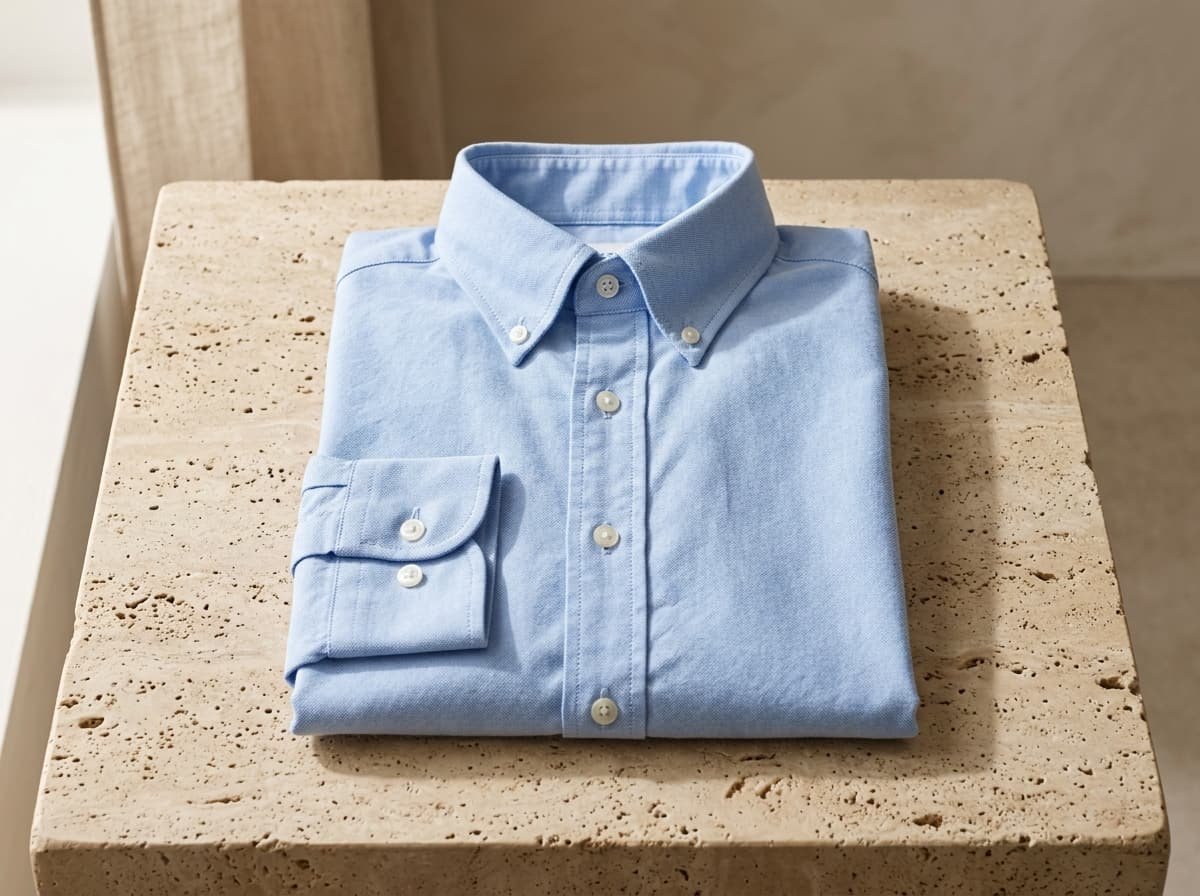
Further Reading
How to Choose the Right T-Shirt Fabric: GSM, Weaves, and Fiber Blends
How to Wash Cotton Clothes Properly to Prevent Shrinkage and Collar Warping
How to Choose Breathable Women’s Fabrics: French Linen, Supima Cotton, and Silk
More GetYourWear Guides
- How to Choose the Right T-Shirt Fabric: GSM, Weaves, and Fiber Blends
- How to Wash Cotton Clothes Properly to Prevent Shrinkage and Collar Warping
- How to Choose Men’s Footwear: Cushioning, Welted Construction, and Leather Grading
- How to Clean White Leather Sneakers: Leather Conditioning and Sole Care
- How to Choose Breathable Women’s Fabrics: French Linen, Supima Cotton, and Silk
- How to Choose Women’s Footwear: Heel Counters, Arch Support, and Lightweight Platforms
- How to Find the Right Jeans Fit: Rise, Leg Shape, Denim Weight and Sizing
- Why Clothes Fade After Washing and How to Keep Colors Rich
- How to Choose the Right Backpack: Size, Materials, Straps and Comfort
- How to Build a Capsule Wardrobe: A Step-by-Step Guide to Wearing More with Less
- Leather vs Canvas Sneakers: Comfort, Durability, Care and When to Choose Each
- How to Style an Oxford Button-Down Shirt: Five Outfits for Work and Weekends
- Chinos vs Jeans: Fabric, Fit, Dress Code and Durability Compared
- How to Transition Your Wardrobe from Summer to Autumn Without Buying Everything New
- How to Measure Yourself for Clothes: A Practical Sizing Guide for Online Shopping
Browse by category: Men's Clothing, Men's Footwear, Women's Clothing, Women's Footwear, or see all products.