How to Break In New Shoes Without Blisters: Leather Boots, Sneakers and Flats
New shoes can rub, pinch and blister if you rush them. Learn how to tell normal break-in from a bad fit, and the safe methods for softening leather boots, sneakers and flats.
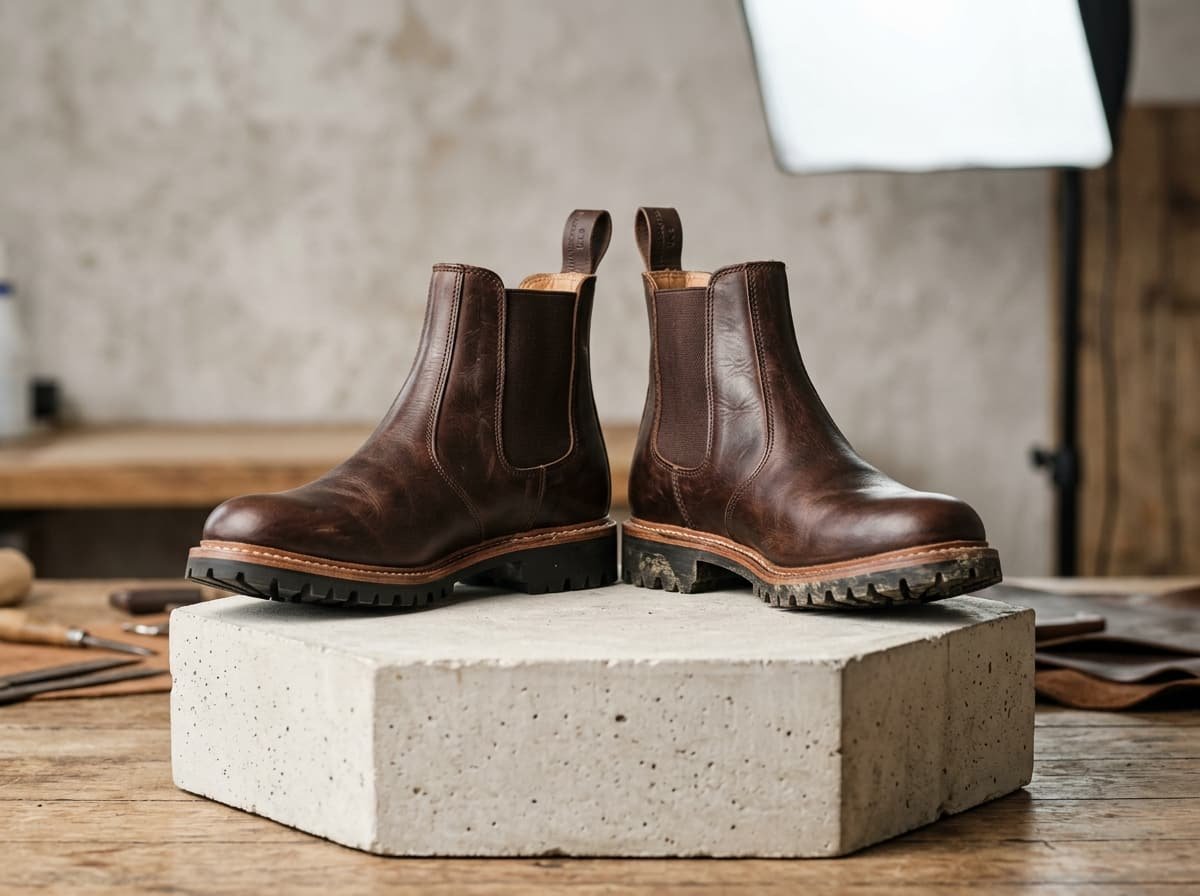
Normal break-in versus a bad fit
New shoes can feel slightly firm for the first few wears, especially structured leather boots, but they should never be truly painful. Mild stiffness across the leather, a firm heel and a slightly snug feel are normal and fade as the material softens. Sharp pain, numbness, toes that cannot lie flat or a heel that slips constantly are signs the size or shape is wrong, and no amount of break-in will fix that.
If the shoes are clearly the wrong fit, check the return policy before wearing them outside. Try them on indoors, on a clean floor, so they remain in unworn condition. Our footwear guides explain how to judge fit in the first place.
Step 1: Start slowly at home
Wear the new shoes indoors for an hour or two at a time, with the socks you plan to wear with them. This gives the leather or fabric time to warm up and flex without the stress of a full day. Increase the time over several days. Walking around the house also helps you spot rub points early.
Step 2: Choose the right socks
Thicker socks can help stretch tight leather a little during short indoor sessions, but wear the socks you will actually use when you go out. Seamless, moisture-wicking socks reduce friction and sweat, which are the two main causes of blisters. Avoid cotton socks for long walks because they stay damp.
Step 3: Protect the trouble spots
Apply a blister plaster, moleskin or a thin layer of anti-chafe balm to the areas that usually rub, typically the back of the heel, the little toe and the top of the foot. Do this before you feel a hot spot, not after. Heel grips and small padded inserts stop slipping at the heel, and a quality insole improves cushioning.
| Problem | Likely cause | Fix |
|---|---|---|
| Heel rubbing | Heel slipping or stiff counter | Heel grips, blister plaster, lacing technique |
| Pressure on top of foot | Stiff tongue or tight lacing | Skip an eyelet; loosen laces |
| Tight toes | Narrow toe box | Professional stretch; consider another size |
| Sore after short wear | Wrong size or shape | Return if possible |
Step 4: Soften the material safely
For leather shoes, a few gentle methods can help. Flex the shoe by hand to loosen the leather around the toe and ankle. A leather conditioner or stretch spray softens tight spots, and a cobbler can stretch leather professionally with a shoe stretcher, which is the safest way to gain a little width. Avoid soaking leather in water and wearing it until dry, as this can damage the finish and weaken stitching.
Canvas and textile uppers give with wear and rarely need special treatment. Suede should be brushed and protected rather than stretched with liquids.
Step 5: Lace shoes properly
Lacing changes the fit. A heel-lock (or runner’s loop) lacing technique holds the heel firmly in place, and skipping an eyelet can relieve pressure on a sore spot on the top of the foot. Tie laces snug but not tight, and re-tie after a few minutes of walking when the shoe has settled.
- •Wear new shoes for short periods and build up gradually.
- •Use the right socks and cover rub points in advance.
- •Stretch leather professionally rather than soaking it.
- •Stop if you feel a hot spot and fix it right away.
Different shoes, different break-in
Goodyear-welted leather boots can take a couple of weeks of short wears for the leather and cork footbed to adapt. Leather sneakers are usually comfortable within a few outings. Flats and loafers often rub at the heel first, so use heel grips if needed. Whatever the shoe, rotate pairs so the materials can rest and dry between wears, which makes the shoes last longer.
A one-week break-in plan
Build up slowly rather than wearing new shoes for a full day.
- •Days 1–2: one to two hours at home.
- •Days 3–4: short walks.
- •Days 5–6: half-day wear with plasters ready.
- •Day 7: a full day if there is no pain.
Frequently Asked Questions
How long does it take to break in leather boots?
Often one to two weeks of short wears, depending on the leather and construction.
Should I wear thick socks to stretch shoes?
Briefly, and indoors, it can help, but wear your normal socks when going out.
Can I return shoes if they do not fit?
Check the return policy. Try them on indoors on a clean floor so they stay unworn.
Products Mentioned in this Guide
See the full product guide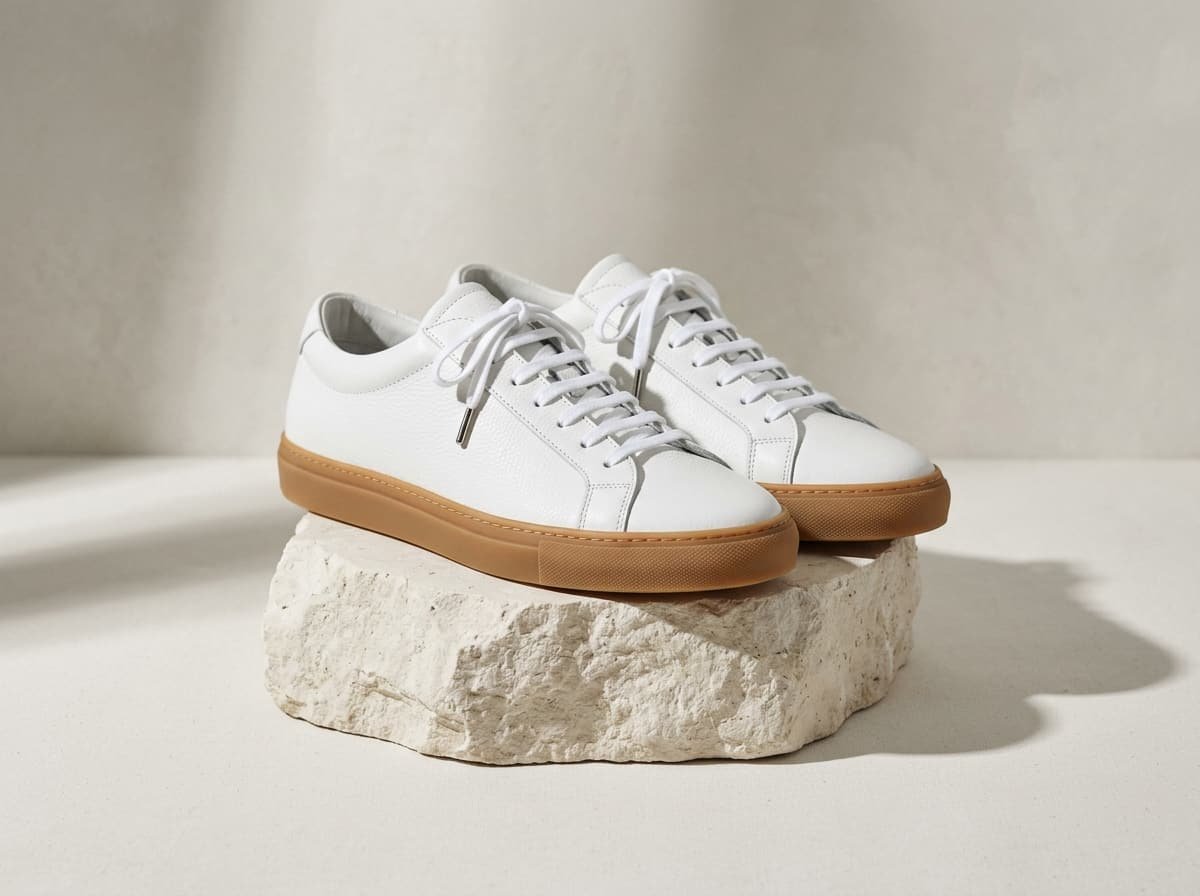
Further Reading
How to Choose Men’s Footwear: Cushioning, Welted Construction, and Leather Grading
How to Choose Women’s Footwear: Heel Counters, Arch Support, and Lightweight Platforms
Leather vs Canvas Sneakers: Comfort, Durability, Care and When to Choose Each
Spotted something unclear or out of date? Tell us and we will check it and update this guide.
More GetYourWear Guides
- How to Choose the Right T-Shirt Fabric: GSM, Weaves, and Fiber Blends
- How to Wash Cotton Clothes Properly to Prevent Shrinkage and Collar Warping
- How to Choose Men’s Footwear: Cushioning, Welted Construction, and Leather Grading
- How to Clean White Leather Sneakers: Leather Conditioning and Sole Care
- How to Choose Breathable Women’s Fabrics: French Linen, Supima Cotton, and Silk
- How to Choose Women’s Footwear: Heel Counters, Arch Support, and Lightweight Platforms
- How to Find the Right Jeans Fit: Rise, Leg Shape, Denim Weight and Sizing
- Why Clothes Fade After Washing and How to Keep Colors Rich
- How to Choose the Right Backpack: Size, Materials, Straps and Comfort
- How to Build a Capsule Wardrobe: A Step-by-Step Guide to Wearing More with Less
- Linen vs Cotton Shirts: Which Fabric Is Better for Hot Weather?
- Leather vs Canvas Sneakers: Comfort, Durability, Care and When to Choose Each
- How to Style an Oxford Button-Down Shirt: Five Outfits for Work and Weekends
- Chinos vs Jeans: Fabric, Fit, Dress Code and Durability Compared
- How to Transition Your Wardrobe from Summer to Autumn Without Buying Everything New
- How to Measure Yourself for Clothes: A Practical Sizing Guide for Online Shopping
- Clothing Care Labels and Laundry Symbols Explained: What Every Symbol Means
- How to Remove Common Stains from Clothes: Ink, Grease, Sweat, Wine and More
- How to Fix Shrunken Clothes and Stretched-Out T-Shirts
- How to Iron Different Fabrics: Cotton, Linen, Silk, Wool and Polyester
Browse by category: Men's Clothing, Men's Footwear, Women's Clothing, Women's Footwear, or see all products.